Water for all: A case for investing in water and sanitation in Europe
By Jérôme Costanzo, Technical Advisor for Water and Sanitation
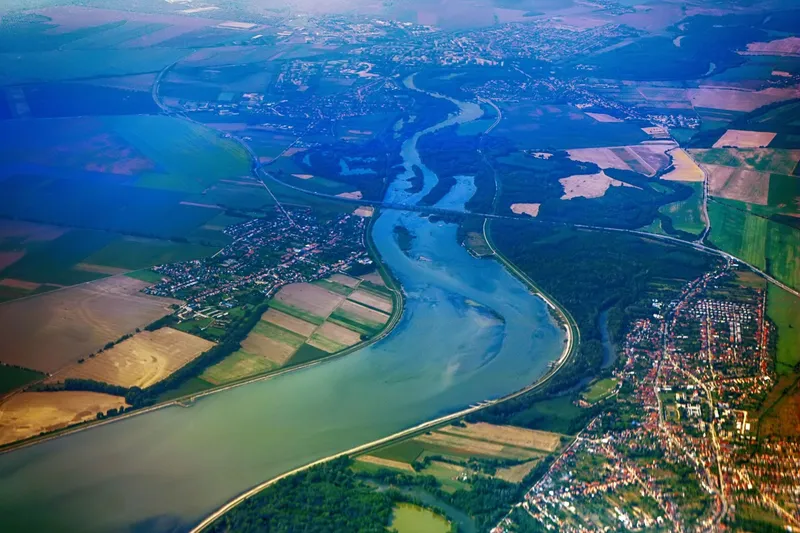
Compared to most of the world population, European citizens enjoy privileged access to water and sanitation. However, approximately 2 million people across the continent still lack adequate water and sanitation services.[1]
Significant disparities persist between rural and urban areas, as well as between wealthier and poorer population groups. For instance, research from the European Roma Rights Centre indicates that a majority of Roma people in the European Union do not have access to public water supplies, with over half relying on a water source located more than 150 meters from their homes.[2]
The overall positive situation in Europe should not obscure the considerable disparities in the access to water and sanitation services among different countries. For example, while over 99% of the populations in France and Germany have access to safely managed water, this percentage falls drastically in Bosnia-Herzegovina (82%), Romania (82%), , North Macedonia (80%), and Albania (70%). [3]
The contrast is even starker when it comes to wastewater management; only 25% of Serbian citizens use safely managed sanitation facilities, compared to the European average of 78%. In response, the Serbian authorities contracted a €200 million loan from the CEB in 2019, primarily to finance the construction of wastewater treatment plants and sewerage systems that are expected to benefit approximately 2 million citizens.
Investments to enhance water access
Geography is also a strong factor of inequalities surrounding water access. The availability of water for human consumption and usage is far from being fairly and evenly distributed across Europe.
Water scarcity currently affects 17% of the European Union's territory, particularly in the Mediterranean regions and in non-EU countries like Türkiye. This scarcity places pressure on inhabitants of affected areas regardless of their status, living standards, or financial means. The situation is likely to worsen in many places due to climate change.
For instance, the entire population of Cyprus, along with most economic activities, is exposed to acute water stress. The capital city, Nicosia, has experienced water supply interruptions in recent years. Therefore, in 2019 the CEB invested €40 million to enhance water supply systems—such as those facilitating water transfers from the south coast to the capital and the Famagusta tourist area—that are crucial not only for the Cypriot population but also for the country’s economy.
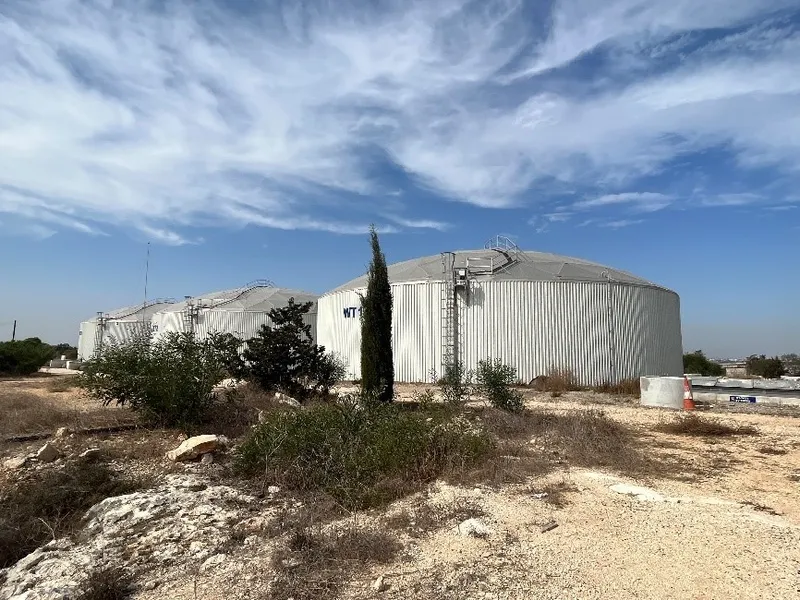
In Larnaca, the CEB has supported the development of the sewerage system since 1998, enabling the city to collect, treat, and reuse 100% of its wastewater for agricultural purposes, thereby alleviating pressure on freshwater resources. On a smaller scale, the CEB is also helping to construct water transfer systems to remote areas of Castilla y León, a region of north-western Spain, which experience water shortages during the summer peak tourist season, a vital part of the local economy.
Preventing future vulnerabilities
One of the major challenges facing the water sector in Europe is aging infrastructure. In many areas, the service life of existing infrastructure has expired, necessitating replacement and substantial financial resources. A case in point is Bratislava, the capital of the Slovak Republic, where €22 million was invested by the CEB to replace water pipes between 2021 and 2023, yet the city only managed to maintain its current rate of water losses, highlighting the need for larger investments to improve operational performance.
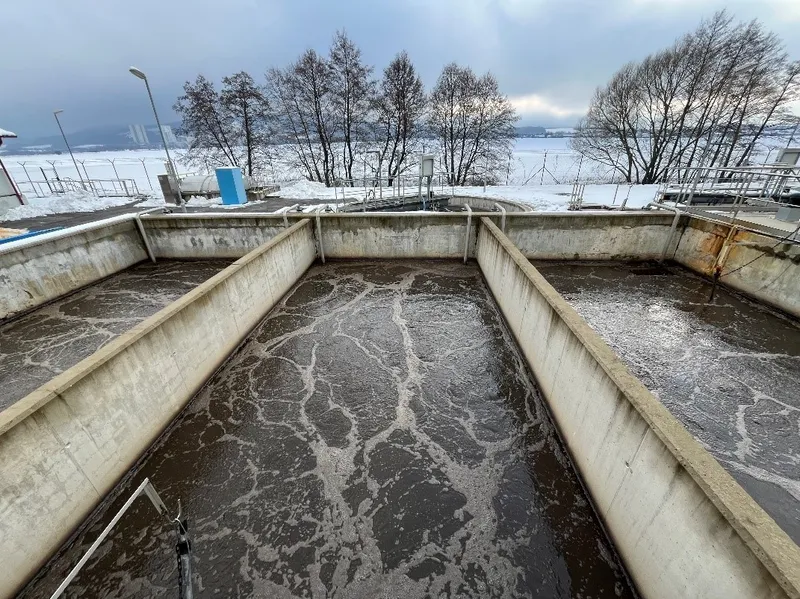
In the long run, underinvestment in water and sanitation systems can become a social ticking bomb. For most utility companies, water bills are the main source of revenue, while fixed costs (including infrastructure renewal) are the main source of company’s expenditures, with variable costs (water itself, energy, reactants) playing a lesser role.
Without regular investments in assets replacement, urgent and massive investments may become necessary when recurring failures appear, jeopardising the financial sustainability of utility companies, and compromising universal access to services. This may also lead to major tariff increases that disproportionately affect economically vulnerable households and exacerbate social inequalities. There is more. Decades of industrial development and intensive agricultural practices have impacted the quality of surface and underground water bodies used for water extraction. New forms of chemical contamination (microplastics and micropollutants) with potentially harmful effects on human health and the biodiversity pose new challenges to the authorities in charge of water supply, and are likely to increase the cost of water and wastewater treatment to levels potentially unbearable by some segments of the population.
Financing water to fight inequalities: yes, in Europe too
Financing water and sanitation remains essential, including in Europe. Massive investments are still needed and this is well understood by most international and local financing institutions which are already active in the sector, and sometimes partner with the CEB. Water is also a vector of European solidarity. It transcends boundaries, so even a localised action like the implementation of tertiary treatment [4] in small localities around Bratislava financed by the CEB to protect Danube tributaries may ultimately impact the life of all citizens the Black Sea Basin.
Since 2005, the CEB has provided €1.8 billion of loans for water and sanitation projects in 16 European countries, benefitting millions of citizens. But beyond big figures there is a clear need to identify those who are most exposed to the adverse effects of climate change, environmental pollution, lacking infrastructure or unaffordable services - unfortunately, they are still millions across the CEB Member States. Investing in water and sanitation systems in Europe remains a necessity, and the CEB has an important role to play.
[1] About us - Right to Water (right2water.eu)
[4] Tertiary treatment is a method of wastewater treatment that consists of eliminating non-biodegradable pollutants. It follows primary and secondary treatment.