A new way of living: how Catalonia is making housing more affordable and inclusive
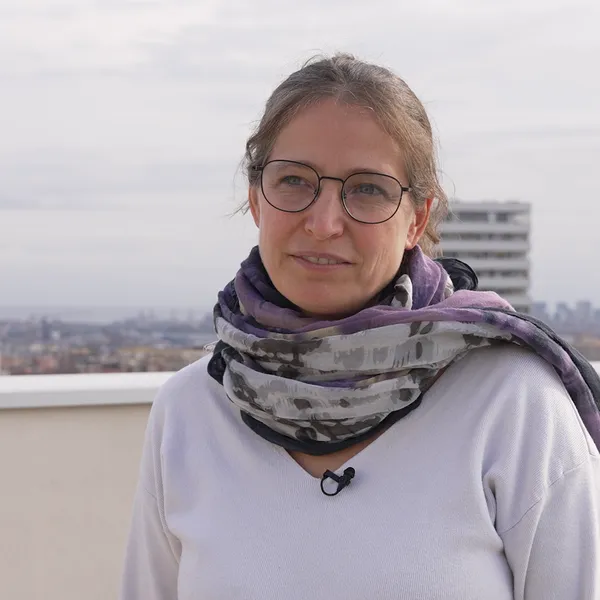
The experience of the Andreu family is far from unique. In Catalonia, one of Spain’s most dynamic but also most expensive regions, thousands of people struggle to find stable, affordable housing. Homes have increasingly become financial assets rather than places to live, pushing many families, young people and older residents into housing insecurity.
A model based on use, not ownership
However, for Estel, that cycle changed when her family joined Sostre Cívic, a non-profit housing cooperative offering a different way of accessing a home.
Sostre Cívic operates through a system known as cessió d’ús (“right of use”). Residents neither own nor rent their homes in the conventional sense. Instead, by becoming members of a cooperative, they pay an affordable monthly fee to live in a building for as long as they choose.
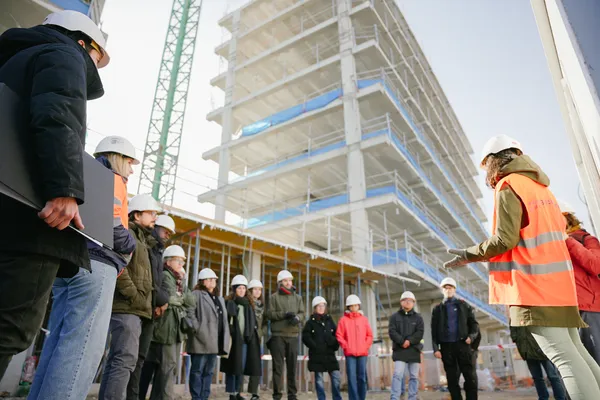
“The cooperative holds the ownership of the buildings”, explains Eva Ortigosa, Director of Project Coordination at Sostre Cívic. “As members of the cooperative, the people have the right to live in those apartments and make them their homes.”
Affordability is built into the model. Because the apartments are never sold on the market, they remain affordable. Costs are based on construction prices and maintenance charges, not on evolving real-estate prices; homes are managed on a non-profit basis, keeping monthly payments below market levels.
A focus on sustainability and participation
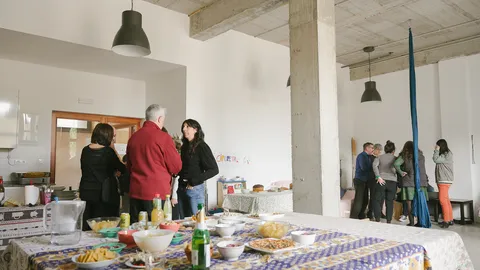
Each Sostre Cívic project is different, but all share the same principles: cooperation, affordability, participation and sustainability. Residents take part in everyday decisions, from budgeting to maintaining shared spaces. Some buildings include common kitchens, gardens or meeting rooms. Others offer support for older people or residents with specific needs.
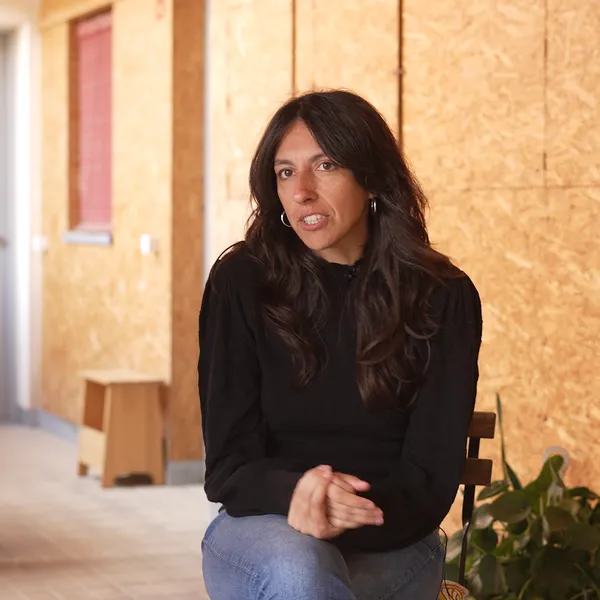
“In the cooperative housing model, one of the key elements is participation,” says Yabel Pérez, Housing Cooperative Technician at Sostre Cívic. “Participation is also part of the architectural process. The group of future residents defines and designs how they want to live: common spaces, private spaces and circulation. This allows end users to feel much more comfortable because they have taken part in the decision-making process and ensures the buildings are well adapted to their reality.”
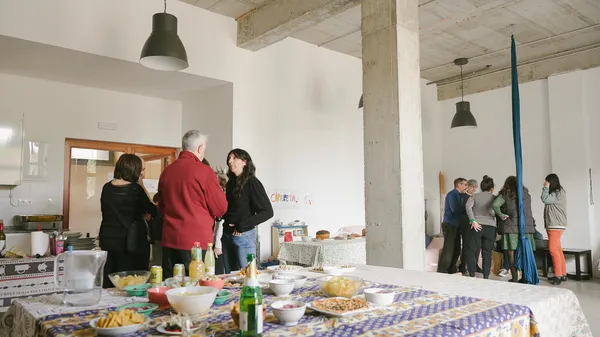
For Estel, the sense of community has been just as important as the home itself. “Feeling that we are part of a place and a support network has been extremely important for raising our daughter. Whenever we needed help, we had it. We also share many things and meet very often with other residents, which created a sense of community.”
A partnership that supports social goals
Across Europe, international financial institutions are being explicitly called on to help mobilise and scale investment in affordable and social housing, a sector often marked by fragmentation and limited funding. In line with the Affordable Housing Plan, unveiled by the European Commission on 16 December 2025, institutions such as the Council of Europe Development Bank (CEB) play a key role in turning local, socially-driven housing initiatives into investable projects with long-term impact.
Thanks to a €31 million loan from the CEB, Sostre Cívic started developing a large number of cooperative housing units across Catalonia.
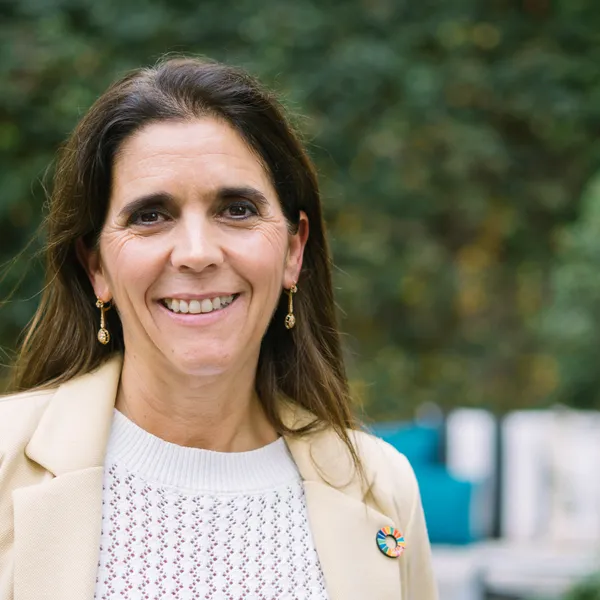
For local authorities, cooperative housing helps address long-standing gaps in public housing provision. As the Mayor of the city of Manresa, Marc Aloy, explains, cities urgently need affordable housing solutions after years of limited public investment:
“We have a great need for affordable housing of all kinds. It is a right that should be guaranteed, and it is not. We are talking about public housing policies that require funding, and that is why it is so important that the CEB supports social initiatives like this one.”
For Sostre Cívic, the CEB’s funding has been key to scaling up the cooperative housing model:
“The CEB loan has made a significant contribution to the development of Sostre Cívic, allowing to develop 350 new homes for the cooperative, thus expanding the lending framework we previously had in place at the level of Catalonia or Spain,” notes Eva.
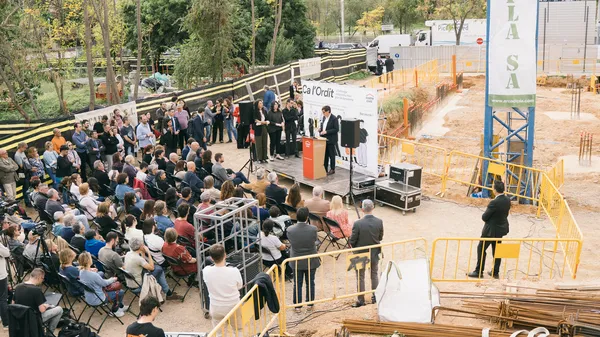
Backed by the InvestEU guarantee programme, the project demonstrates how local, community-led housing initiatives can be scaled up with the support of the international community to address wider housing challenges. The EU guarantee makes it possible for the CEB to finance socially minded entities, such as foundations or cooperatives active in the housing sector, which would otherwise be too financially risky to finance. By blending CEB loans with EU grants or guarantees, the CEB enhances the impact of EU resources and strengthens its support for these worthy social housing initiatives.
A sense of belonging
For families like Estel’s, cooperative housing has meant being able to stay in their city and building a sense of belonging.
“My life has changed in so many ways. Living together is learning to help and listen. Day after day, life is much easier. Together, everything is easier.”
What began as a local response to rising rents in Catalonia is now showing how affordable housing can be delivered differently, through community ownership, long-term affordability and public support.
Sostre Cívic’s experience illustrates how innovative financing solutions can help address one of Europe’s most pressing challenges: making housing a right for all.

This operation benefits from support from the European Union under the InvestEU Fund.