A Safe Haven: How Gorey Family Resource Centre transforms lives on Ireland’s east coast
Addressing a growing need
Gorey, like many communities across Ireland, faces deep-seated social challenges: isolation, food poverty, unemployment, mental health struggles, and the integration of new arrivals to the area. With a small team of dedicated staff managing between 80 to 120 people visiting the centre per week, the centre provides a vital array of services, including affordable counselling, family support, community education, essential outreach for vulnerable groups.
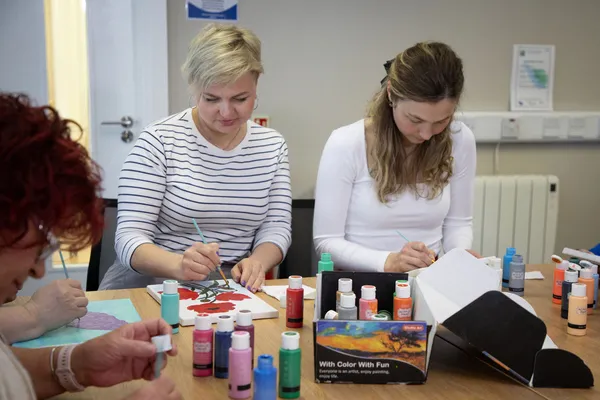
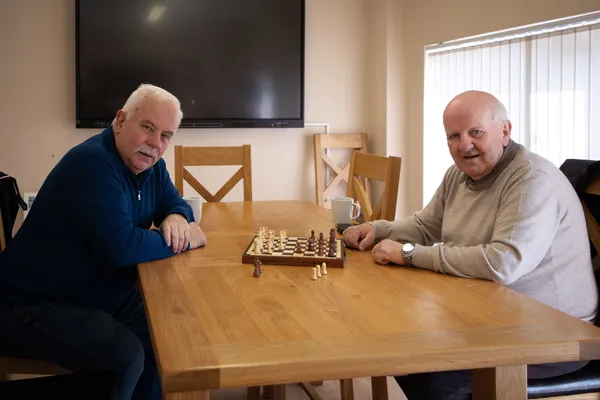
GFRC activities are tailored to meet community needs. Parenting courses, jewellery making groups, willow weaving classes, one to one support, welfare rights information services, self-development workshops, and sewing workshops that teach practical skills - every initiative is driven by what residents say they need. Singing groups, craft circles, and support meetings create safe spaces where people can connect and find joy amidst life’s challenges.
The demand for services has only increased post-pandemic, with complex mental health issues emerging alongside persistent economic difficulties. Spreading the word about the resources on offer is part of the challenge that the GFRC faces in getting support to those who need it most. As Centre Manager Emer Hickey put it: “People come in all the time to ask, ‘What do you do?’ But this all depends on the needs of the community.”
The idea behind the Family Resource Centre
The National Family Resource Centre programme is Ireland’s largest family support programme delivering universal services to families in disadvantaged areas across the country. The aim of the programme is to combat disadvantage and improve the functioning of the family unit. Each centre operates autonomously – working inclusively with individuals, families, communities and statutory and non-statutory agencies.
There are currently 121 communities supported by this programme which is funded through the Tusla / Child and Family Agency: the scheme emphasises involving local communities, individuals and families in tackling the problems they face, and creating successful partnerships between voluntary and statutory agencies at community level. FRC’s are, by nature, participative and empowering organisations that provide support while also building up the capacity and leadership capabilities of local communities.
In Gorey, Emer and her team are committed to offering a judgement-free environment to any that may need to lean on the centre for support.
How CEB financing helps
Facilitated by the Social Finance Foundation and Community Finance Ireland, financing from the CEB played a pivotal role in securing GFRC’s future. When the centre faced eviction due to the sale of its rented premises, the team initially scrambled to find alternative rental options—until they discovered the possibility of community-backed finance.
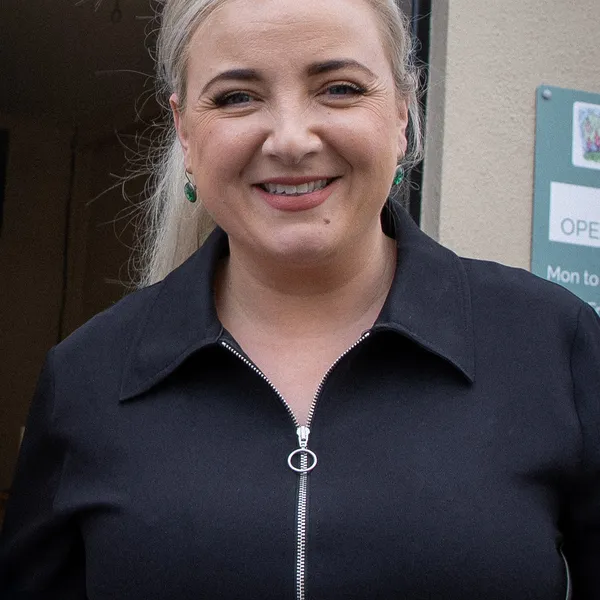
Emer and her team didn’t initially know which options they had available to them.
“We didn’t realise we could apply for financial support through an organisation like Community Finance Ireland and take out a mortgage with them. So we’re absolutely delighted when we heard the news, our outlook changed when we called Community Finance Ireland.”
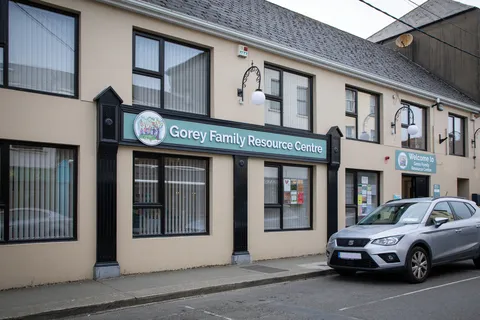
Through unwavering determination and collaboration with Barry Symes at Community Finance Ireland, GFRC secured a loan that enabled them to purchase a new property, a former credit union building, right in the heart of Gorey town. Additional grants and funding from Tusla and Wexford County Council allowed them to clear the loan in under a year, ensuring their long-term stability.
“At Community Finance Ireland, we are committed to supporting volunteer-led social enterprises and community projects that make a real difference.”
“Our values of empathy, collaboration, and impact drive us to ensure that vital community services, like Gorey Family Resource Centre, have the financial backing to create a sustainable and vibrant future. We are proud to have played a role in securing their future, and we look forward to seeing them continue their invaluable work from their new home.”
Since 2022, the Council of Europe Development Bank (CEB) has partnered with Social Finance Foundation to boost loan funding to community and social enterprise projects across Ireland.
Social Finance Foundation on-lends to local groups, which often struggle to secure funding from traditional banking sources, through Community Finance Ireland and Clann Credo. The €20 million CEB loan, backed by an InvestEU guarantee, is crucial for financing community and voluntary organisations and social enterprises, mainly located in Ireland’s rural areas.
Maria Sigüenza, the CEB’s Country Manager for Ireland, underlined the importance of the CEB’s link to local financing organisations.

More than a building—a community effort
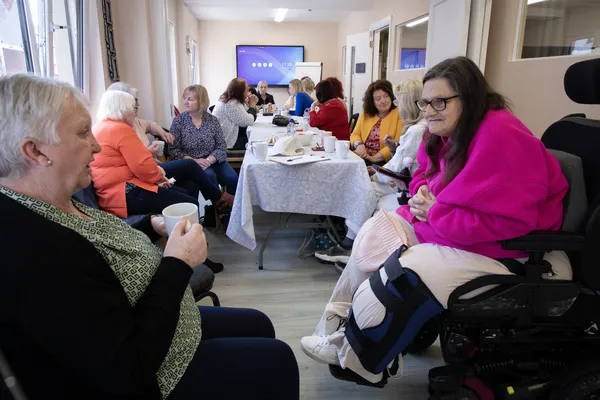
For many, the centre is more than a service provider - it’s a lifeline. One community member, reflecting on the impact of attending women’s group meetings, highlighted the importance of having a regular external activity to look forward to: “If we don’t have the women’s group we don’t leave the house.” Another spoke of the difference a simple bag of food or period products can make: “People don’t realise how much that means - to be able to leave here feeling a little more secure.”
The centre has also been a launchpad for personal growth. Volunteers come into the Centre to help the community around them, and in learning about the services often build their own skillset to give back; one of the Centres volunteers, Agota Gilbride, who first came in more than three years ago to volunteer, has been a regular at the Centre and has become one of its valued tutors, now delivering jewellery making courses and regularly attending celebrations and events in the Centre.
Beyond individual success stories, the GFRC fosters a strong sense of belonging. Community events such as Christmas celebrations, International Women’s Day, and senior citizens’ gatherings provide moments of joy and connection.
The success of GFRC’s relocation wasn’t just about securing funds—it was about rallying the community. Firefighters, local businesses, students from local colleges and residents all pitched in. Volunteers from the IPAS centre and surrounding areas painted walls, took up carpets, refitted the kitchen, and ran trips to local waste centres to responsibly manage the old materials and waste. Local tradespeople offered their time and expertise, and nearby hardware shops even provided discounted materials.
The centre didn’t just move locations; it became a symbol of what a town can achieve when it pulls together.
“We hope that we are strengthening the community and giving everybody a sense of identity and belonging, because we know how important that is to feel like you’re part of something, that you’re part of the community, and you have support around you.”
Looking to the Future
Despite its successes, GFRC still faces ongoing challenges, particularly in staffing. With just four core employees, the centre struggles to meet demand. “Ideally, we need many more additional staff members,” Emer noted. More funding would mean more hands on deck to reach isolated individuals, expand services, and further strengthen the social fabric of Gorey.
For now, though, the centre remains a beacon of hope. One of the most striking takeaways from the GFRC’s journey isn’t just its survival against the odds - it’s the commitment to ensuring no one in the community feels alone.
“We’re here to provide a safe space, to empower people so they can support themselves,” said Pamela Keegan, one of the centre’s Community Development staff. “Because at the end of the day, we’re all in this together.”