Banking on trust: Microfinance gives Bulgaria’s ‘unbankable’ a future
“Usually our clients, especially start-ups, have an idea and are very ambitious to start something, but have not thought through all aspects of the business,” she says.
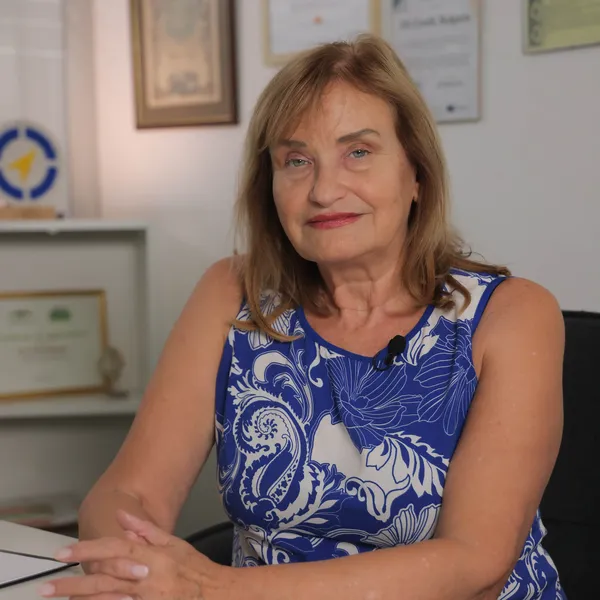
For Raina, building trust is everything: “I build trust with my clients. And I know them very well. I know their families. They share the problems they have.”
That bond is what sets her employer, SIS Credit, apart from traditional banks.
“Banks do not give their clients a second chance. But we do give them both a second and a third chance. We take care of them.”
The only option for many
In Bulgaria, one of Europe’s poorest countries, access to finance remains a major barrier for entrepreneurs. Traditional banks demand collateral, steady income, or a credit history that many simply do not have. Vulnerable groups—refugees, ethnic minorities, unemployed people, women and youth—are often excluded altogether.

This is where SIS Credit steps in. Despite Bulgaria’s underdeveloped microfinance sector, SIS Credit—a microfinance institution—has emerged as a standout player, offering tailored financial services to a diverse set of entrepreneurs. With a team of 15, SIS Credit has made significant strides in promoting financial inclusion and supporting women, young people long-term unemployed and persons with disabilities.
Ninety-five percent of its clients were “non-bankable” before approaching the institution; one in four comes from vulnerable groups.
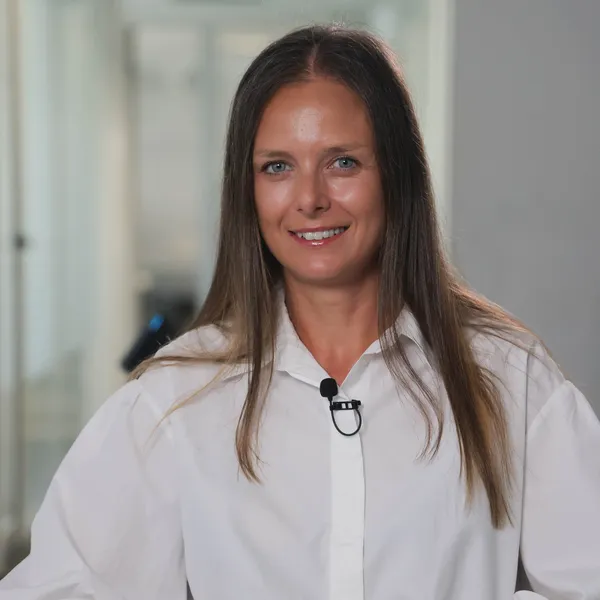
As CEO Martina Grigorova explains: “It’s not over exaggerated to say that in most cases, we are the only option for vulnerable entrepreneurs to start business in Bulgaria. Many of our clients don’t have collateral, income or even a credit history. They are ‘unbankable’ people.”
Amene’s new beginning
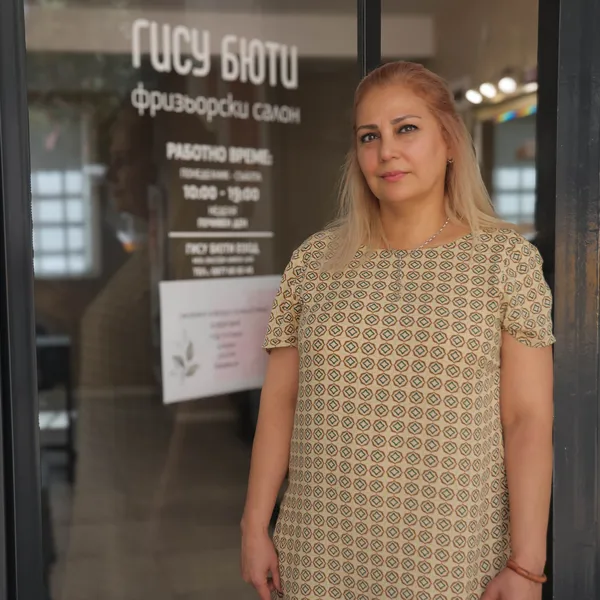
One of those entrepreneurs is Amene Vasefi, a 57-year-old refugee from Iran. With 38 years of experience as a hairdresser, she arrived in Bulgaria with her daughter in search of a better future. But she quickly discovered how difficult it was to find work.
“Before this, I was unemployed and had no source of income. I never received any kind of help. I had to create this job for myself."
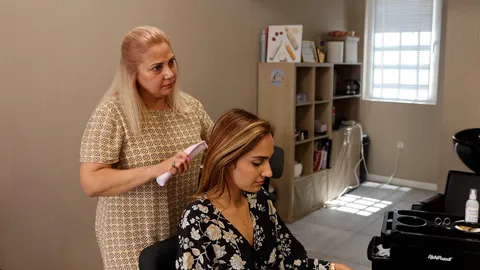
With Raina’s support and a €5,000 loan from SIS Credit, Amene managed to purchase the equipment she needed and opened Gisu Beauty Salon in Sofia. To overcome the language barrier, Raina even found a volunteer translator to assist with the loan application.
Today, the salon is thriving, serving a variety of clients, including from the Afghan and Iranian communities, as well as international visitors.
Proving the value
Stories like Amene’s illustrate the human side of microfinance. But SIS Credit wanted to demonstrate its wider impact as well. With support from the CEB and European Union's InvestEU Advisory Hub, it became one of the first microfinance institutions in Eastern Europe to conduct a rigorous social impact study on its activities in Bulgaria.
The results speak volumes:
- Thanks to microfinance, 95% of clients improved their financial situation after previously relying on none or unsuitable financing.
- Borrowers created an average of two new jobs per loan, often in vulnerable regions.
- Every €1 of SIS Credit debt generated between €1.7 and €2.8 in revenue.
- 90% of households reported stable income after receiving a loan, while half said their family’s quality of life improved significantly
- Women—who make up 45% of clients—were 1.5 times more likely to hire from vulnerable groups.
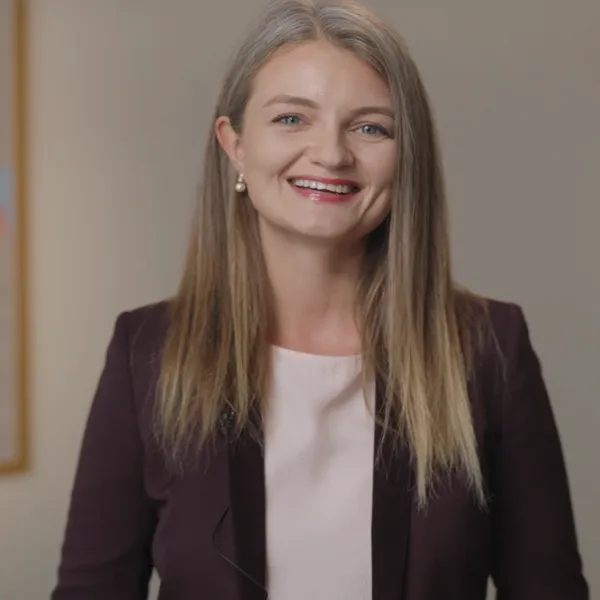
For Kristina Maslauskaite, Technical Adviser for microfinance at the CEB, the study highlights why this work matters.
Beyond funding: partnerships and advice
Because microfinance institutions in Eastern Europe are not licenced to take deposits, they cannot collect savings from clients to fund their lending activities and depend on socially minded investors to sustain and expand their portfolios. Funding is essential—but, as Kristina stresses, it is not enough.
“As a social development bank, microfinance is a focus sector of operation for the CEB. It helps us reach entrepreneurs who cannot start or grow a business because they lack access to finance. But many of these businesses operate on thin margins and reinvest their profits, with little room left for innovation. That’s why supporting them with technical assistance matters too—it guides their business strategy, improves financial operations, and turns growth into lasting impact.”

SIS Credit is the only microfinance institution in Bulgaria so far to benefit from this combination of finance and advisory support from the CEB and the InvestEU Advisory Hub.
“Our partnership with SIS Credit shows how this works in practice,” says Maslauskaite.
“By leveraging InvestEU instruments and CEB’s expertise, we reach some of Europe’s most vulnerable entrepreneurs. And now, for the first time in Bulgaria, we can measure the impact. Together, with InvestEU and SIS Credit, we create real change—and we can demonstrate it.”
Martina Grigorova agrees. “We share the same values with the CEB, which makes this partnership so natural and so strong. Thanks to its funding, we are able to provide financial and non-financial support to more vulnerable entrepreneurs, and women in particular.”
Trust that pays off
For Raina, the lesson is simple: microfinance is not about transactions but about relationships. By trusting people who have been turned away elsewhere, SIS Credit helps them unlock their potential.
The impact study proves that this trust pays off. Families have a more stable future, businesses become more sustainable and communities more resilient. Behind every percentage point in the study is a story like Amene’s—proof that those once labelled “unbankable” are not only bankable, but worth every investment of time, care, and trust.
This operation benefits from support from the European Union under the InvestEU Fund.