Beneath the Bosphorus: Marmaray transforms mobility and social inclusion in Istanbul
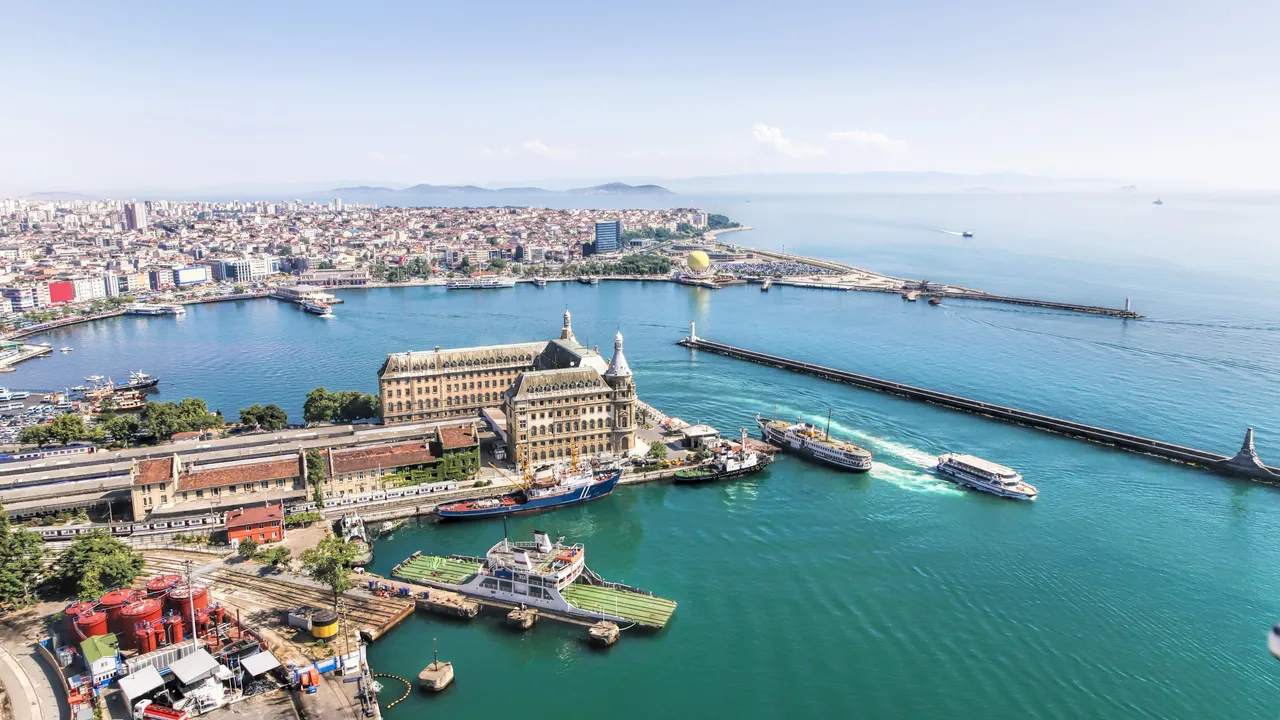
At the edge of the Bosphorus, where Asia meets Europe, trains once stopped.
Istanbul’s railways ended their journey at the water’s edge - at Haydarpaşa on the Asian shore and at Sirkeci on the European side.
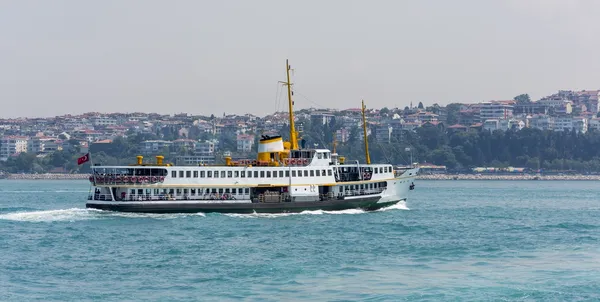
From there, passengers continued by ferry, metro, bus or car, joining the daily tide of commuters crossing one of the world’s most iconic and most congested waterways. At peak times that journey could take hours.
Today the Marmaray Railway Upgrading Project - a 76-kilometre system stretching across Istanbul - is transforming how the city moves. Beneath Bosphorus, trains now run uninterrupted, linking the two continents in minutes.
Well beyond engineering, the Marmaray is reshaping access to jobs, reducing environmental pressure and reconnecting a city long divided by geography.
A city divided by water
As Istanbul expanded along the Sea of Marmara, more affordable housing developed on the Asian side, while many jobs remained concentrated in the European part. Over time, this created a structural imbalance - one that disproportionately affects lower- and middle-income households.
For years, hundreds of thousands of people have made the same daily journey, often spending long hours in buses, minibuses or shared taxis (“dolmuş”), stuck in traffic on or near the Bosphorus bridges.
The Marmaray Project changes that dynamic.
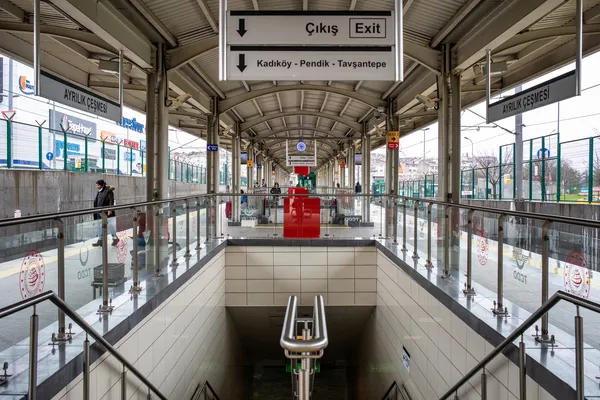
With a capacity of up to 75 000 passengers per hour in each direction - compared to around 10 000 previously - it dramatically increases the number of commuters who can cross the city efficiently. Train intervals can be as short as 90 seconds, allowing for a frequency that matches demand.
By creating the first uninterrupted rail link across Bosphorus, the project directly connects residential areas - including more affordable, densely populated districts - with employment centres across the city.
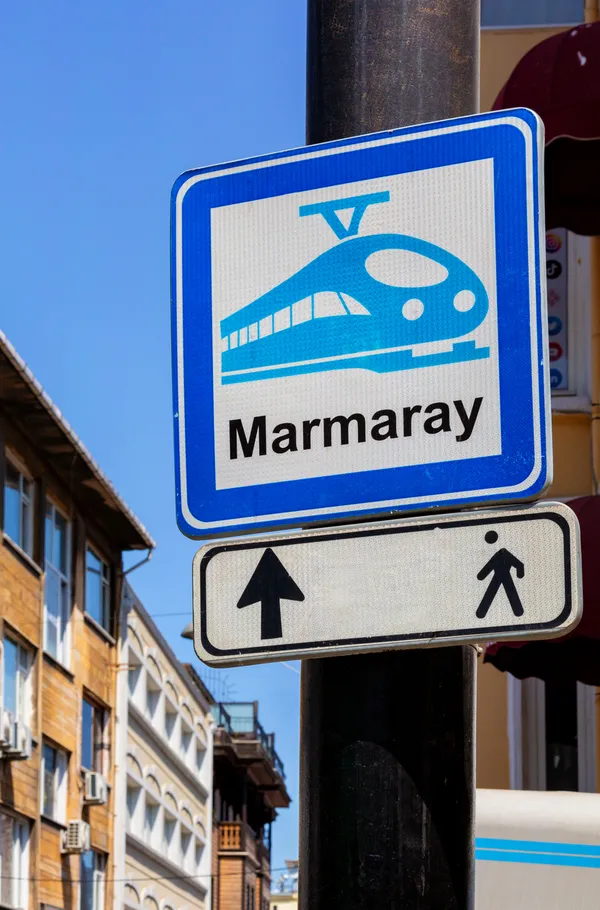
The Council of Europe Development Bank (CEB) has supported this transformation since 2007, contributing nearly €700 million to the project. The project is co-financed with the European Investment Bank (EIB) and Japan International Cooperation Agency (JICA).
The impact goes beyond saving time. For many residents of Istanbul, this project expands what is realistically within reach: jobs, education, services. In that sense, Marmaray is as much a social project as it is an enhancement of the transport system.
Engineering at depth for environmental benefits at scale
Certainly, at the core of Marmaray lies one of the most ambitious engineering undertakings of its kind.
The Bosphorus crossing- a 13.6 km section beneath one of the world’s busiest straits - required a combination of advanced construction methods. At depths of up to 55 metres, this is one of the deepest tube tunnels below the seabed in the world.
The approach was designed to address not only the technical challenge of building under water, but also the geological and seismic realities of the Istanbul Strait. It is a solution that combines precision engineering with long-term resilience - essential in a city located near major fault lines.
From an engineering perspective, the project has demanded exceptional levels of technical mastery and coordination.
“Marmaray is a unique engineering achievement that brings together advanced technologies under challenging urban conditions."
“The successful delivery of its key stages reflects a high level of technical expertise, coordination and disciplined project execution supported by CEB in all aspects of the project.”
The shift from road to rail is not only about mobility - it is also about sustainability.
By reducing reliance on cars, buses and ferries, Marmaray contributes to lowering air pollution and greenhouse gas emissions. It also helps reduce noise levels linked to heavy traffic congestion, particularly around the Bosphorus crossings.
Given the scale of usage, these benefits are cumulative and significant. Fewer vehicles on the road mean not only cleaner air, but also fewer accidents and less pressure on already strained urban infrastructure.
"The Marmaray railway system is a truly transformative and ambitious project that was made possible by all the partners working together," says Sergio dell'Anna, Technical Adviser at the CEB.

A station at the heart of the network
On Istanbul’s Asian waterfront, Haydarpaşa train station stands as both a historical landmark and a crucial transport hub.
“Haydarpaşa Station, completed in 1908 during the reign of Sultan Abdülhamid II, is one of Istanbul’s most iconic structures,” explains Sonay Kanber, Country Manager for Türkiye at the CEB. “For decades, it served as the principal rail terminal linking Istanbul to Anatolia and further east.”
Under Marmaray, its role is evolving.
In this video, Sonay Kanber, Country Manager for Türkiye, explains the significance of Haydarpaşa station for the Marmaray project
“It remains the main terminal station on the Asian side under the Marmaray commuter rail system,” she explains. “Once completed, Haydarpaşa will be the terminus for trains arriving from Ankara and other parts of Türkiye, fully integrated into the Marmaray network.”
But construction beneath Istanbul rarely happens in isolation from its past.
In 2019, during the dismantling of the existing tracks and installations of the new ones around Haydarpaşa station, exceptional archaeological remains were uncovered, spanning Greek, Byzantine and Ottoman periods. What began as a transport project became, in part, one of the most significant urban archaeology efforts in recent history.
As Sonay Kanber notes: “This discovery added a significant cultural heritage preservation component to a project initially conceived as a large-scale urban transport investment.”
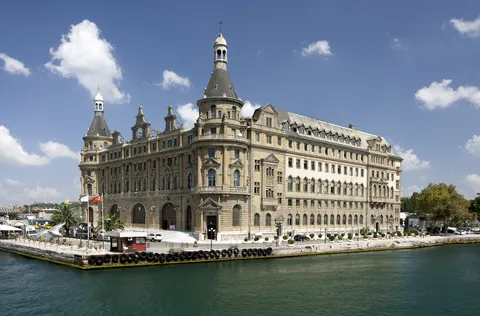
Balancing construction with preservation required close coordination — ensuring that the city’s past was documented and protected, even as its future was being built. A further €60 million CEB financing has been allocated to preserve the historical heritage and complete the remaining works at the station.
A partnership over time
Projects of this magnitude are built through sustained cooperation.
"By connecting Asia and Europe through continuous rail, the project has significantly improved mobility and contributed to the economic and social development of Türkiye,” says JICA Türkiye Office Chief Representative, Daisuke Watanabe.
“The Marmaray Project stands as a testament to the strength of long-term international cooperation,” notes the Director General for Infrastructure at the Ministry of Transportation and Infrastructure, Yalcin Eyigun.
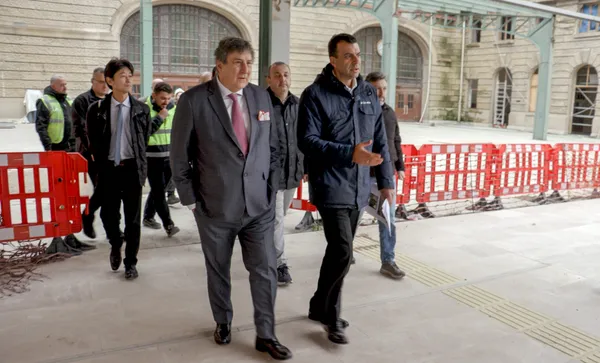
“The Council of Europe Development Bank’s continuous support has played a vital role in ensuring the successful delivery of this strategically important investment. This partnership reinforced sustainable and inclusive urban mobility in İstanbul.”