In a changing healthcare landscape, what role for the CEB?
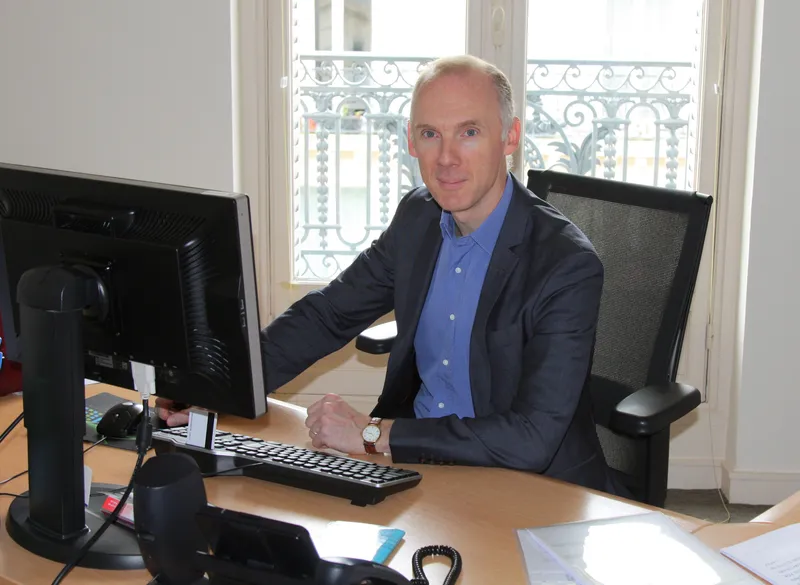
Thomas Kergall is a health economist who joined the CEB in 2015 as a Technical Advisor. He brings 20 years of experience in managing health care projects in transition countries, including various assignments in the field.
As a result of both longer life expectancy and declining fertility rates, the proportion of people aged over 60 years is growing faster than any other age group, particularly in CEB member countries. The health workforce is also ageing, which adds to the already scarce number of health professionals.
Technological innovations and services are also a major issue for the future of medicine and health: they are a source of therapeutic progress, but also increased spending.
Lastly, in the context of financial pressures, governments need to secure the financial sustainability of their health systems without undermining the values they share: universal coverage, solidarity in financing, equity of access and provision of high-quality healthcare.
How is the healthcare environment changing in the face of the challenges you mentioned?
They are expected to lead to a burgeoning, but heterogeneous demand for healthcare services. For example, ambulatory services and primary care will become more important, while the role of hospitals, with shorter patient visits, will evolve to coordinating healthcare networks. New healthcare related professions will emerge, and the traditional roles of doctors and nurses will be redefined.
Most of all, the increasing complexity of healthcare services will lead to a change in the way health facilities are built and managed.
This is often a matter of changing the culture of the medical profession.
How can the CEB best respond to these changing healthcare and, consequently, investment needs?
Although the bulk (70%) of CEB health investments are in hospital facilities, we are also involved in primary healthcare projects (e.g. clinics in Bosnia and Herzegovina). In addition, we are already funding innovative healthcare projects – for example, we work with BIOASTER, a Lyons-based Technological Research Institute (TRI) engaged in fighting antimicrobial resistance, one of the most pressing global health issues today. We are also collaborating with the Sant Pau Research Institute, a leading Spanish institution for biomedical research. These are the kinds of projects the CEB could develop further.
Looking ahead, the field of e-Health, or the use of information and communication technologies (ICT) for health, should also be an area for consideration.
The social care sector is set to grow in the coming years. What role can the CEB play in this area?
The CEB is already supporting major players in the social and solidarity-based economy via loans to Crédit Coopératif, Crédit Agricole or BPCE (Caisses d’Épargne) in France and projects in Belgium (CPAS) and Romania.
The beneficiaries of CEB funds are vulnerable population groups such as the elderly, persons with disabilities, and children, young people and adults in a precarious situation.
The focus of these projects is on the provision of social care and assistance.
Given the importance of this sector and its potential for growth, this could be another opportunity for the CEB, in line with our social mandate.
Related publications
-
Financing Sustainable Health Infrastructure in CEB Target Countries
This study assesses the provision and financing of sustainable health infrastructure in Council of Europe Development Bank (CEB) … Published: April 2016 Read -
CEB Info 02/2016
Explore the INFO magazine highlighting the Council of Europe Development Bank's (CEB) activities, particularly as it celebrates its … Published: July 2016 Read