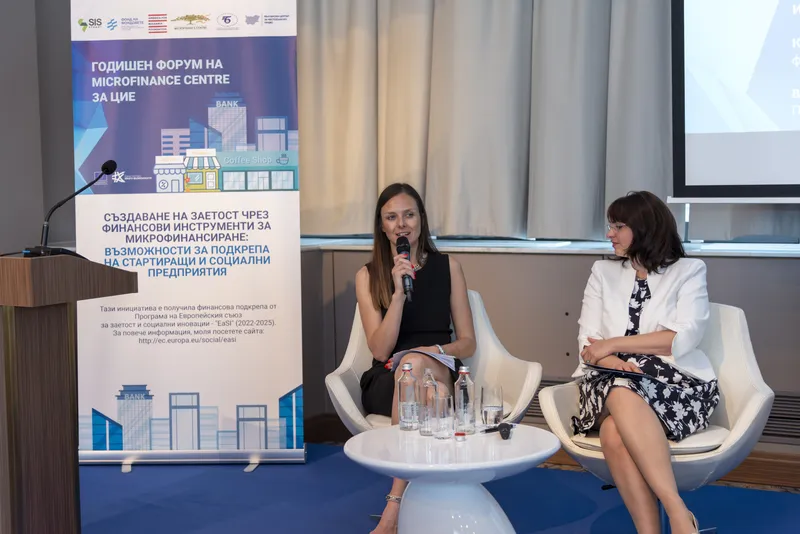
Empowering women entrepreneurs through microfinance: The inspiring journey of Martina Grigorova
Martina Grigorova, Chief Executive Officer of SIS Credit, is at the forefront of empowering women entrepreneurs in Bulgaria through innovative microfinance solutions. As the country grapples with economic challenges and a burgeoning need for social entrepreneurship, SIS Credit’s upcoming partnership with the CEB will help the microfinance sector grow.
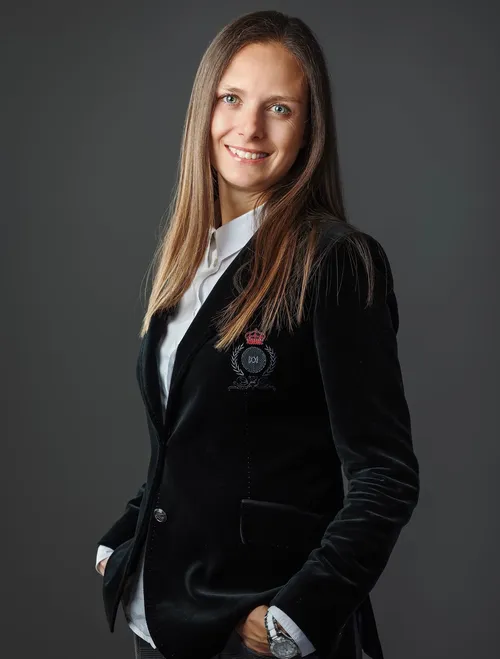
Martina’s journey with SIS Credit began in 2006, driven by a passion to create a microfinance institution that caters to the unique needs of its clients in Bulgaria. Even after three decades of post-communist transition, Bulgaria’s population, marked by significant social disparities, is still one of the poorest in Europe. Micro, small and medium-sized companies (MSMEs) form the backbone of the economy, but financing remains a challenge, particularly for micro-enterprises or those from vulnerable groups.
“I began my career at the mother company of SIS Credit: Sofia International Securities. This is an investment intermediary with over 20 years of experience in Bulgaria, which established SIS Credit to support micro-enterprises. From my side I began to explore the best practices in European microfinance to understand how best to support the clients. And this is how I started from scratch to develop all the systems here,” Martina says.
Despite Bulgaria’s underdeveloped microfinance sector, SIS Credit has emerged as a standout player, offering tailored financial services to a diverse set of entrepreneurs. With a team of 15 and a balance sheet of €9 million, SIS Credit has made significant strides in promoting financial inclusion and supporting women, young people long-term unemployed and persons with disabilities.
Championing female entrepreneurship
Martina recognises the pivotal role women play in the economy, emphasising their meticulous approach to business ventures and adept budget management skills.
“Women are really careful in starting something new. They need additional support, an additional push, let’s say. So, this is the big competitive advantage of our company: women trust us.”
SIS Credit’s commitment to empowering women entrepreneurs has garnered recognition both locally and internationally, with about 40% of its clients being women. Through a corporate culture built on principles like the European Code of Good Conduct for Microcredit Provision, SIS Credit cultivates trust and confidence in its clients, particularly women seeking financial support.
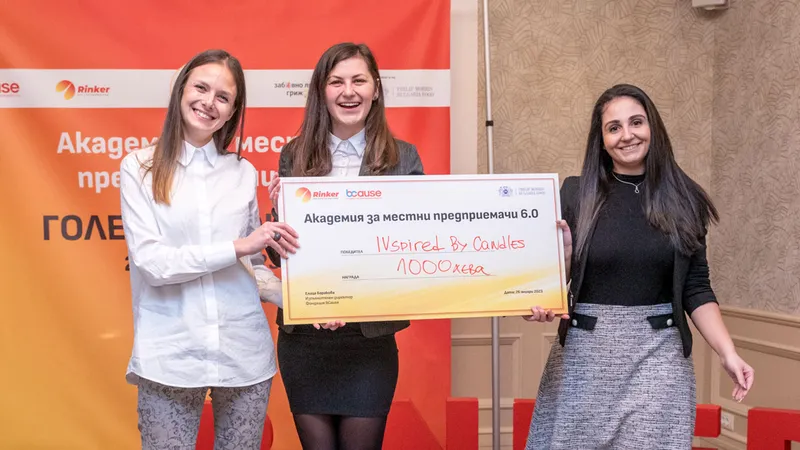
Martina recalls some inspiring client stories. Sara is a good example of a typical SIS Credit client. A divorced single mother from Afghanistan, navigating the challenges of raising two small children while starting a new life in a new country, she adapted quickly. She started to learn the language to understand the local legislation, and then proceeded to open a restaurant, where she now employs two other people. “This is the power of women,” says Martina, not without pride.
Strategic initiatives
In a bid to expand its reach and bolster the microfinance sector in Bulgaria, SIS Credit recently applied for a €3 million loan from the CEB. The loan, aimed at supporting micro-businesses and promoting social entrepreneurship, is a testament to SIS Credit’s commitment to driving positive social and economic impact.
“SIS Credit is unique in Bulgaria with its strong leadership role in shaping microfinance and promoting the understanding of social entrepreneurship, which is yet to be developed in the country: for this reason, this partnership will be particularly valuable to the CEB,” says Nadja Grochkova Leruste, Country Manager for Bulgaria at the CEB.
The end-beneficiaries of the loan will be micro and small businesses across the country, encompassing student entrepreneurs, business owners under 29 years of age, as well as people with disabilities. SIS credit boasts a commendable record in supporting and sustaining start-ups, particularly in sectors such as agriculture, catering, hospitality, and educational services.
Future aspirations
Martina’s ambitions for SIS Credit extend beyond its current status as a leading social finance provider. She envisions scaling up operations to engage more stakeholders and foster a vibrant entrepreneurial ecosystem in Bulgaria.
“We are still small but my ambitions are big. We need to build more initiatives with our partners, NGOs and, of course, also the government. Regarding our partnership with the CEB, I think it is important that we are sharing the same values of promoting social inclusion and supporting the most vulnerable. And together, we could do a lot of good things. The CEB can help us to really grow.”
Advocating for microfinance
In a country like Bulgaria, grappling with economic disparities and demographic challenges, the role of microfinance in empowering vulnerable populations and fostering entrepreneurship cannot be overstated. For the past 15 years, the CEB has been working with microfinance institutions across Europe: from the Netherlands to North Macedonia. With microfinance being one of the focus sectors in the CEB’s Strategic Framework 2023-2027, the CEB is takings its support up a notch.
“In the current macroeconomic conditions, many microfinance institutions across Europe struggle to access external finance to fund their growth and support vulnerable populations, says Kristina Maslauskaite, Advisor in Technical Assessment & Monitoring Directorate at the CEB.
“We have stepped up our support to the microfinance sector in recent years, as these loans can reach small businesses and individuals maximising social impact. The collaboration between the CEB and SIS Credit can serve as a great example of two institutions partnering to promote a more cohesive and entrepreneurial society.”
“The microfinance sector needs the support of social investors like the CEB”, emphasised Martina.
Martina’s advocacy for microfinance goes beyond Bulgaria’s borders. As a member of the Microfinance Centre Council, she actively engages with a network of 120 members in Europe and Central Asia to support microfinance, especially in light of the “challenging times” the sector faces. With microfinance becoming less appealing to big social investors, Martina explains, “this is why I feel so involved to support the sector at European level. I like tough tasks.”