Financing housing for internally displaced persons in Bosnia and Herzegovina
Twenty years after the war 138,000 people in Bosnia and Herzegovina have not yet returned home. The CEB’s € 60 million loan will fund permanent housing for residents of collective centres.
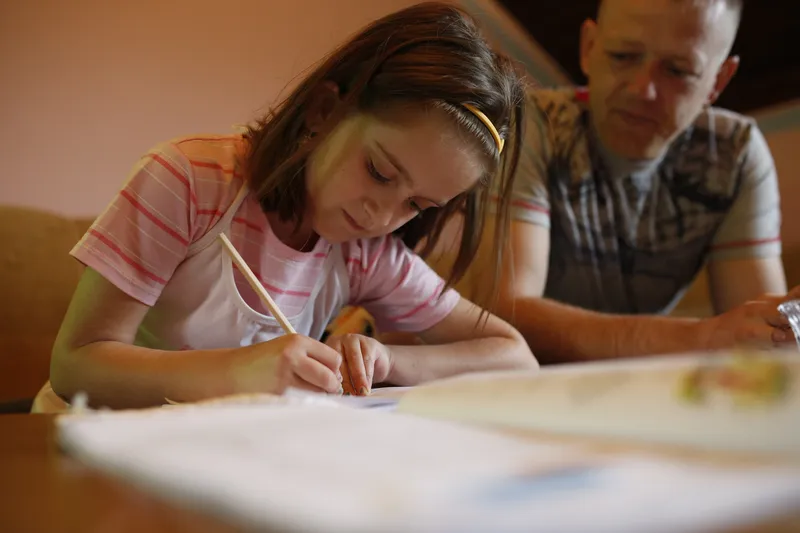 In 2006,
more than ten years after the end of the war in Bosnia and Herzegovina, Melisa
Osmic was born in the temporary collective centre Mihatovici, near the town of
Tuzla. Her brother Samir was born six years later. Their parents, Mevludin and
Samira, have been internally displaced since 1995. With their childhood homes
destroyed, they have nowhere to go.
In 2006,
more than ten years after the end of the war in Bosnia and Herzegovina, Melisa
Osmic was born in the temporary collective centre Mihatovici, near the town of
Tuzla. Her brother Samir was born six years later. Their parents, Mevludin and
Samira, have been internally displaced since 1995. With their childhood homes
destroyed, they have nowhere to go.
During the 1992-1995 war in Bosnia and Herzegovina, almost half the country’s population were forced to leave their homes. The housing sector was ravaged, with 40% of all the housing stock destroyed or damaged. More than twenty years after the end of the war, there are still 138,000 displaced persons (IDPs) who have not returned to their homes.
Mevludin and Samira Osmic are both unemployed. Mevludin raises goats and earns a little bit of money selling milk and meat. Samira does odd jobs to supplement the family’s meagre income. The four of them live in 30 sqm.
Unemployment is one of the main reasons why some residents still live in collective centres. Others are there due to their age and deteriorating health, including disabilities and chronic illness.
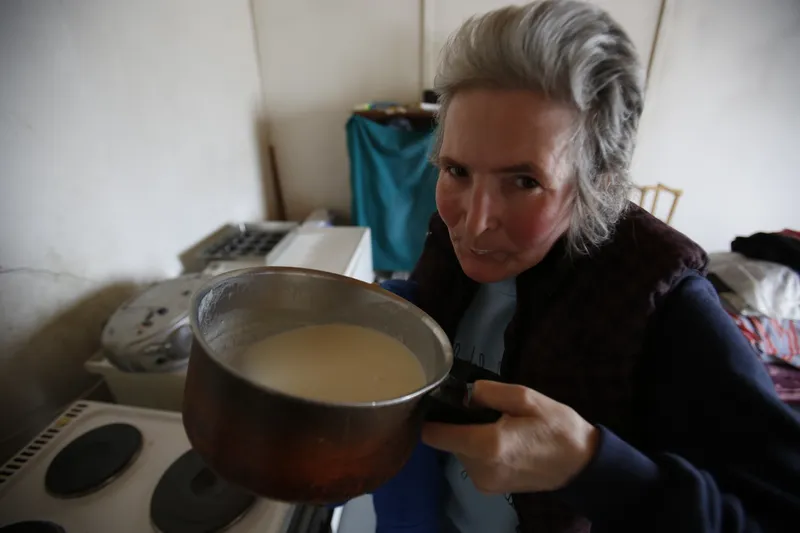 This is the
case of Slava Bartula, a blind 50-year-old who has been living in the collective
centre Podromanija for ten years. She shares her abode with Mira Krsmanovic
(53) who is hearing impaired and has an intellectual disability. Residents such
as these require access to social services
that were disrupted by war and remained unavailable in the post-war
reconstruction.
This is the
case of Slava Bartula, a blind 50-year-old who has been living in the collective
centre Podromanija for ten years. She shares her abode with Mira Krsmanovic
(53) who is hearing impaired and has an intellectual disability. Residents such
as these require access to social services
that were disrupted by war and remained unavailable in the post-war
reconstruction.
The CEB finances social housing
In 2013,
the CEB approved a € 60 million loan to Bosnia and Herzegovina to provide new
or refurbished housing units for at least 7 200 people still living in
collective centres and other temporary accommodation throughout the country.
Two types of housing units will be provided: social housing apartments and assisted living in social protection institutions, especially geriatric centres and psychiatric care.
Each internally displaced person will be provided with new permanent care at an average construction cost of € 6 300. In addition to shelter, some beneficiaries who are physically able will receive start-up kits, such as greenhouses and tools, while others will benefit from vocational training. Assistive technologies will be made available to the disabled.
The CEB has a long history of collaboration with Bosnia and Herzegovina, dating back to 1996 when the Bank funded the provision of emergency medical aid, such as orthopaedic devices, to the victims of war.
The project complements the Regional Housing Programme, which primarily targets vulnerable returnees and refugees without any durable housing solution.