Home again: rebuilding lives after loss in Ukraine
"Life was divided into ‘before’ and ‘after’," recalls Anastasia. "Everything was there – memories, childhood photos. When all of that was gone, you felt abandoned.”
For siblings Anastasia (28) and Yevhen (33), home was something their family had built with their own hands.
Their house was warm and comfortable, the result of years of work by Yevhen and his father. They had done everything themselves. Then, during the Russian occupation of their area, a 120-millimetre mortar shell hit the house. It exploded, destroying not only the building but also the life they had known.
“We had put maximum effort into it,” says Yevhen. “Even now, when all that's left is the foundation, it still hurts.”
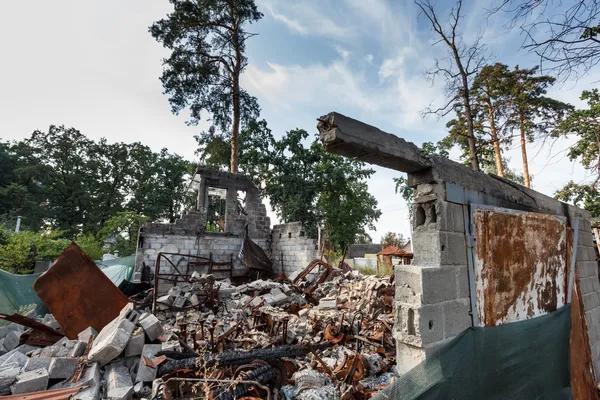
Their story is one shared by hundreds of thousands of Ukrainians. Since Russia's full-scale invasion, more than 30 000 apartment buildings and around 200 000 private houses have been damaged or destroyed, leaving millions without safe housing.
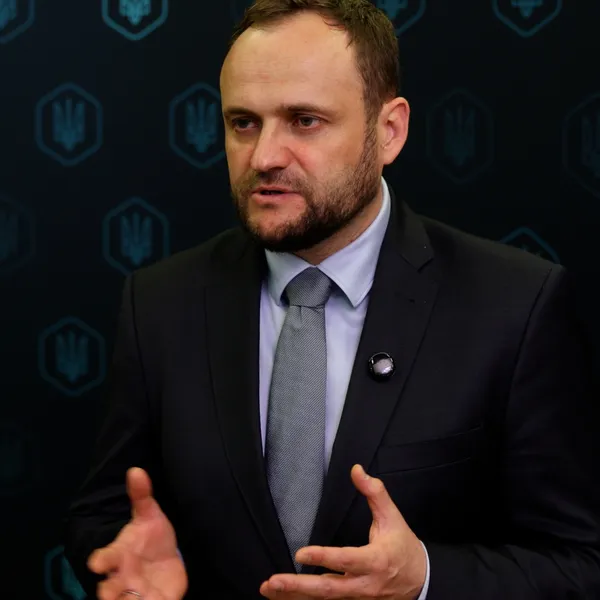
"These losses require immense resources and huge funds,” says Oleksii Kuleba, Deputy Prime Minister for Restoration and Minister for Development of Communities and Territories of Ukraine.
Finding a way forward
To respond to this scale of destruction, Ukraine has established a compensation mechanism under the eRecovery programme. It provides housing certificates to people whose homes have been destroyed, allowing them to purchase new housing and begin rebuilding their lives.
Local commissions play a central role in this process, ensuring that compensation reaches households most in need.
Their work is being strengthened through international support, including financing from the Council of Europe Development Bank (CEB) and grants from the European Commission and the CEB’s Ukrainian Solidarity Fund (USF).
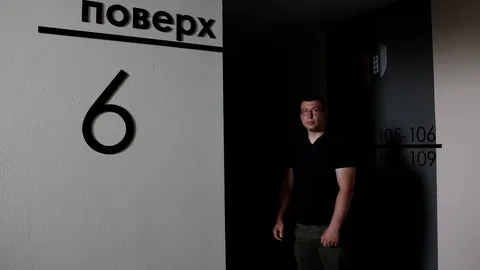
Vadym Sheiko, Head of the Borodyanka Territorial Community Commission, oversees the review of applications from residents whose homes have been destroyed.
“The property owner first contacts specialists who prepare a technical report on the damage, including photo documentation,” he explains. “These reports are then submitted to our commission, which verifies the documentation and decides whether to approve compensation.”
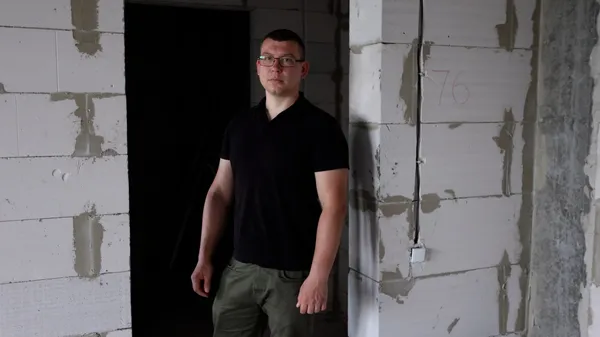
After losing their family home, Yevhen, Anastasia and their parents faced the difficult task of starting over.
“We were trying to get our lives back on track somehow,” Yevhen says.
They learned about the eRecovery programme through their village head. But rebuilding a life takes time. Retrieving documents and records alone took nearly two years.
“Not everything was digital before the war,” explains Anastasia. “Archives had to be recovered.”
Supporting recovery, one family at a time
Helping families like Yevhen and Anastasia's rebuild their lives is at the heart of HOME – Compensation for Destroyed Housing, the largest operation of the CEB in Ukraine.
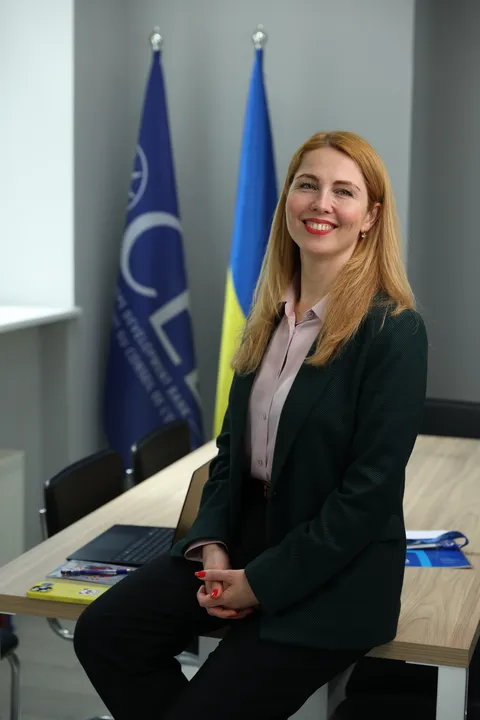
With €200 million already committed and disbursed, and an additional €100 million loan approved this June, the CEB is supporting the Ukrainian compensation mechanism so it can reach more people whose homes have been destroyed.
This financing enables the delivery of housing certificates that provide a tangible path to recovery. It also reflects commitment of the CEB’s Strategic Framework to promoting the reconstruction of Ukraine’s vital social infrastructure.
“Housing is a core pillar of the CEB’s social mandate and its operations in Ukraine.”
"Since the beginning of the Russian aggression, the CEB immediately started supporting Ukrainians via light repairs in homes.”
With the country’s membership to the Bank, the CEB’s lending portfolio has expanded to include ten projects valued at more than €800 million in just three years.
For the HOME project, grants from the European Commission and the USF complement this financing by strengthening the capacity of national and local authorities - including commissions such as the one in Borodyanka - to manage applications, verify claims and deliver compensation more efficiently.
More than 6 000 families have already received compensation for homes that were completely destroyed through the HOME project.
Because they had shared ownership of the house, Yevhen, Anastasia and their parents each received housing certificates under the programme. They used them to purchase two separate homes.
Standing in the apartment that now belongs to her, Anastasia reflected, “Life goes on. There is a new home, and you have to carry on living somehow.”