Learn, play, grow: Investing in North Macedonia’s schools
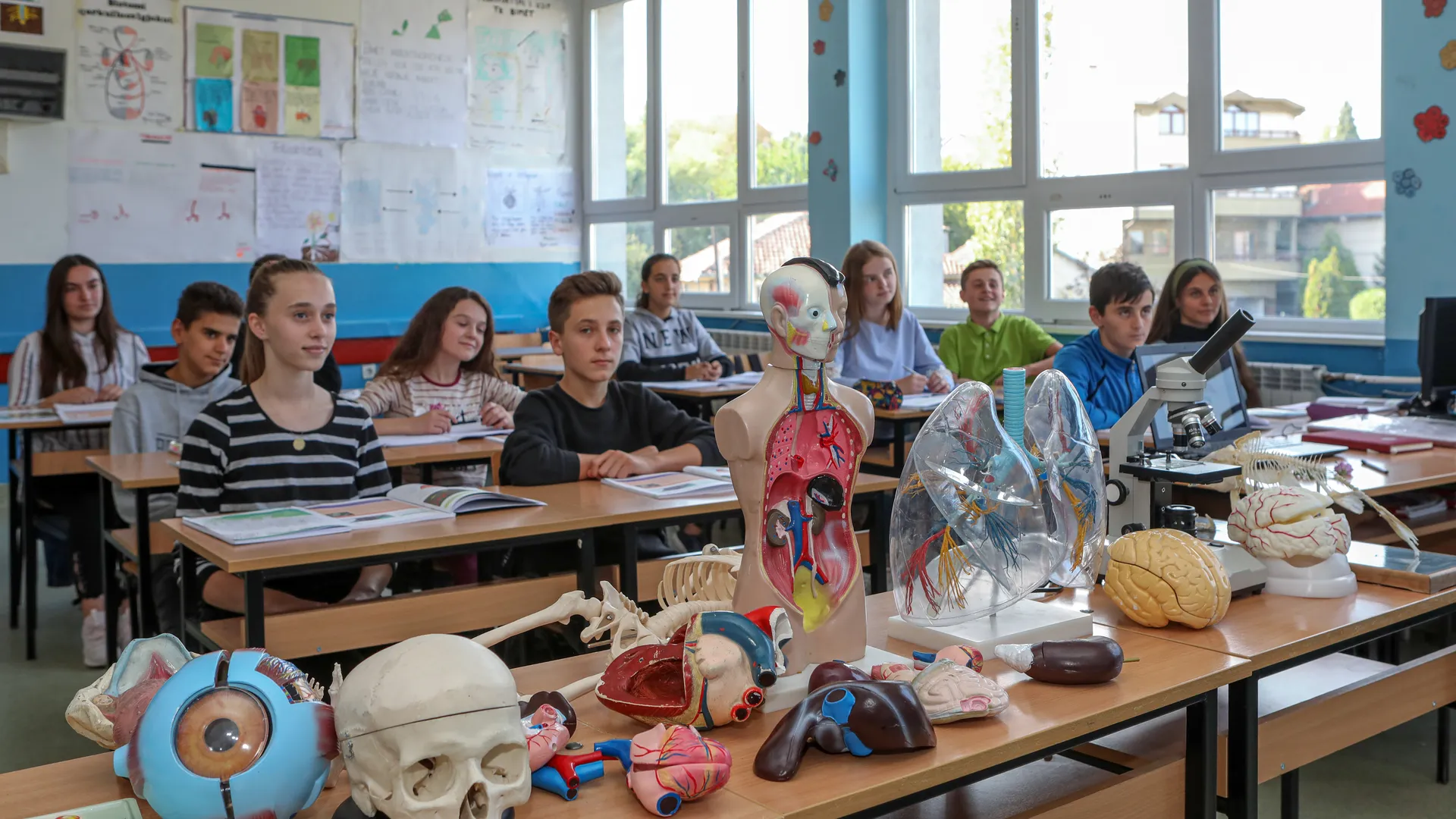
Across North Macedonia, investments in school infrastructure – supported by the Council of Europe Development Bank and the European Union – are giving thousands of children better places to learn and thrive.
At ‘Panajot Ginovski’ primary school in Skopje, physical education is serious business.
For Ahmed (12), the favourite place at school is the sports hall because, as he says simply, he loves sport. Ask Pavel (12) what activities he likes most and football comes first – although basketball, handball and athletics get an honourable mention too.
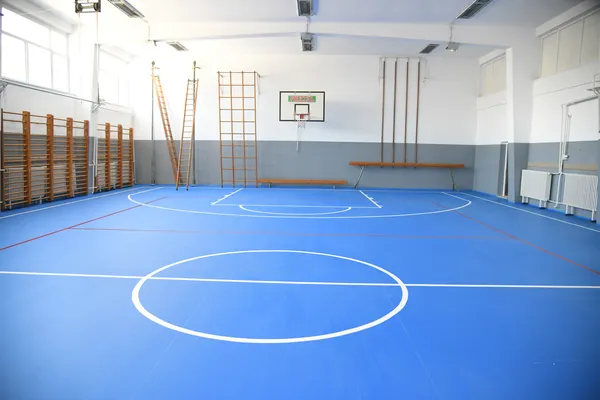
Until recently, however, a proper game of football was not easy, as the old sports hall was ageing and lacked equipment. The renovated one gives him and his friends much more opportunity to train and play together.
“We couldn’t play very well because of the nets,” Pavel explains. “Now we have new nets and it is much better.”
The renovated sports hall at ‘Panajot Ginovski’ is one example of a much wider investment in the places where children across North Macedonia spend a large part of their lives.
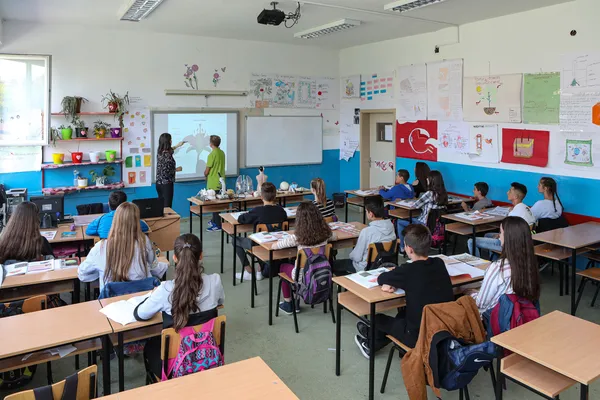
Since 2009, a long-term programme led by the Ministry of Education and Science and supported by the Council of Europe Development Bank (CEB), the European Union and bilateral donors through the Western Balkans Investment Framework (WBIF) has been improving school infrastructure across the country.
To date, the programme has delivered 70 physical education facilities and rehabilitated 90 primary and secondary schools, benefiting more than 96,000 pupils.
Improvements have ranged from replacing roofs, windows and floors to removing asbestos roofing and repairing heating and electrical systems. Investments have also improved energy efficiency and accessibility for children with disabilities.
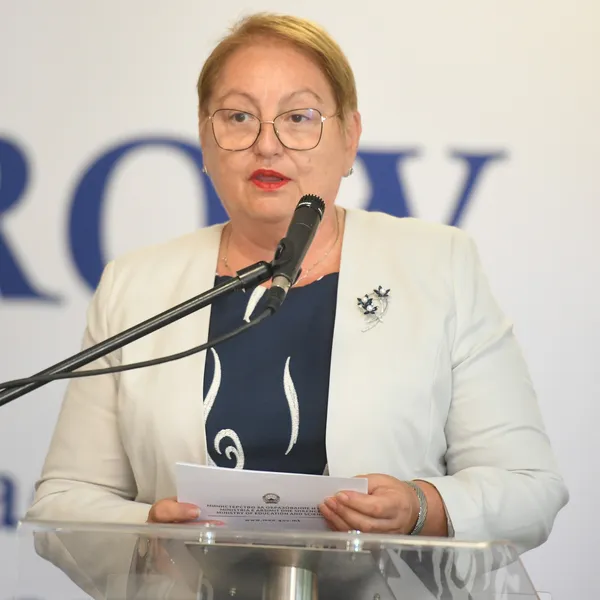
Taken together, these upgrades are improving the everyday environment for children, making schools more comfortable, inclusive and better suited to their needs. For Minister of Education Vesna Janevska, that is fundamentally a question of equal opportunity.
Schools at the heart of their communities
The benefits of better school infrastructure do not necessarily stop at the school gates.
In many communities, particularly those with limited access to recreational facilities, school sports halls also provide much-needed space for local clubs and activities.
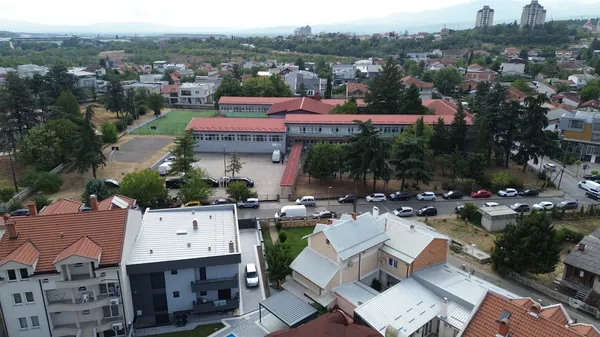
A survey of 30 secondary schools covered by an earlier phase of the CEB-funded programme found that around two-thirds of the new sports facilities were also being used by local sports clubs. Some had hosted community events or even served as temporary vaccination centres during the COVID-19 pandemic.
These shared spaces extend the benefits of school investments to the wider community, making them places not only for learning but also sport and recreation.
A partnership built over time
Improving schools on this scale requires sustained investment and cooperation.
The CEB has financed the programme with two loans totalling €42.5 million, providing long-term financing and accompanying its preparation and implementation.
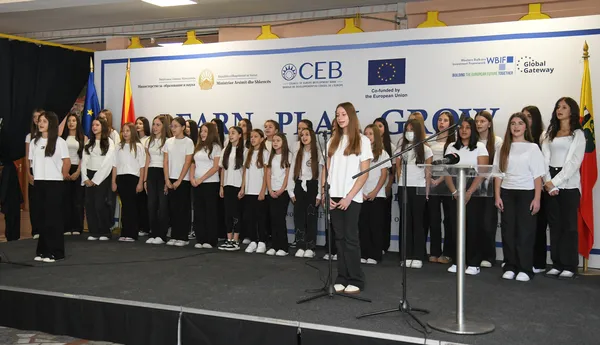
Two WBIF investment grants totalling €5 million have financed additional rehabilitation works and equipment.
A further €1.1 million grant from the CEB’s Green Social Investment Fund is funding the installation of rooftop solar panels in rehabilitated schools, helping reduce their environmental footprint and running costs.
In September 2026, an additional €500 000 WBIF technical assistance grant was approved to bolster the programme’s implementation.
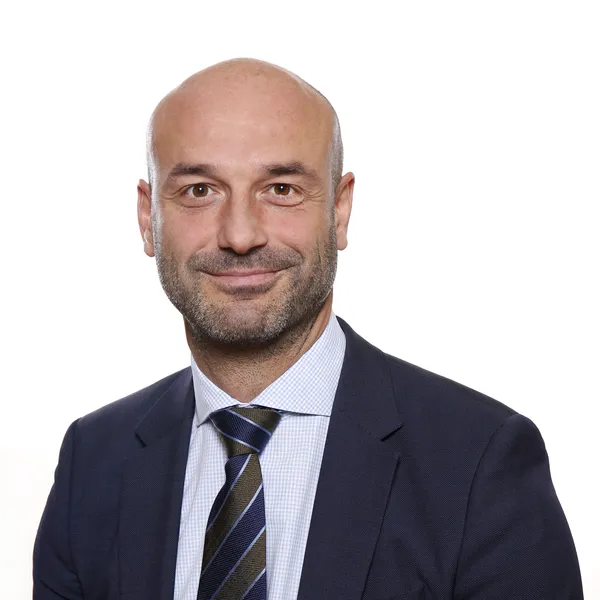
“The results we see today are the product of contributions from all partners. The Government of North Macedonia provided leadership and budgetary resources. The European Union and bilateral partners, through the WBIF, provided grant support that helped deliver the programme as planned and maximise its impact,” Vice-Governor Tomáš Boček adds.
The investment is part of North Macedonia’s wider efforts to strengthen its education system and continue its convergence towards the European Union.
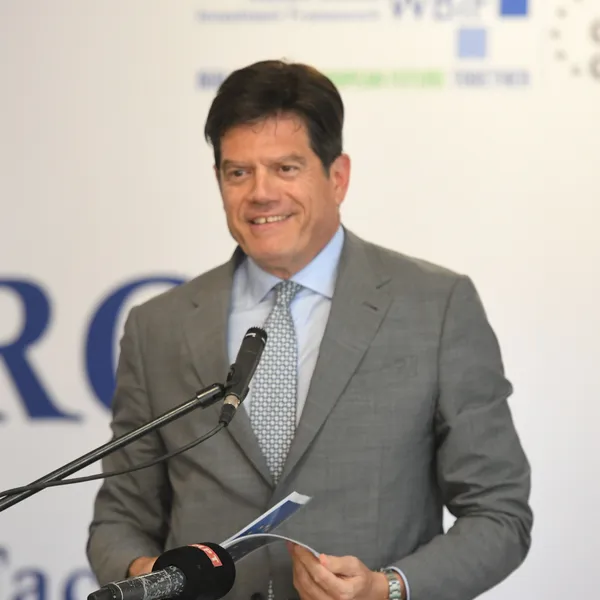
Minister Janevska also emphasises the importance of international cooperation: “North Macedonia has friends and partners who genuinely support it on its path towards European integration.”
And the partnership continues.
In September 2026, Minister Janevska and Vice-Governor Boček signed a grant agreement financed through the Spanish Social Cohesion Account at the CEB. The grant will support the preparation and implementation of a future higher education infrastructure project at the University of Skopje.
The next generation
For the 667 pupils and 57 teachers at ‘Panajot Ginovski,’ the renovation is the latest chapter in a school history stretching back more than 70 years. Generations of children have since passed through the school’s classrooms and sports grounds, including successful athletes.
“Physical and health education is particularly important for a child’s overall development,” says Principal Blagorodna Sotirov. “Through sport, pupils not only develop physically; they learn discipline, perseverance, respect for rules, teamwork and fair play.”
And the environment in which they learn matters.
“Quality space makes quality teaching possible,” she says. The renovation has brought “new potential and new energy” to the school.
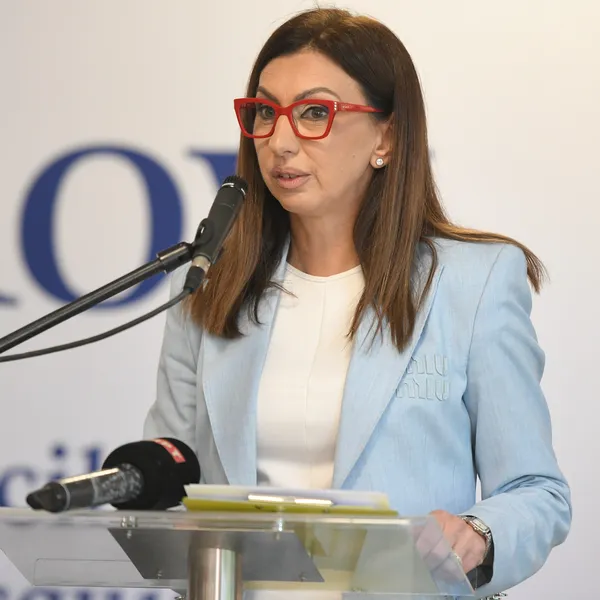
During a visit to ‘Panajot Ginovski’ to celebrate this successful collaboration, Vice-Governor Boček addressed the pupils with an encouraging message: “Keep learning, keep playing, keep growing and keep dreaming big.”
At least one young football fan appears to have taken the message to heart.
“When I grow up, I want to be a professional footballer,” says Pavel. “I need to put in a lot of effort and train a lot.”
And he already knows exactly how big to dream.
“I want to be the new Luka Modrić!”
Luka Modrić is a Croatian professional football player and captain of the national team.
