Alleviating critical situation of asylum seekers on Lesbos
Separated from the Turkish coastline by mere kilometers, Lesbos is seeing an unprecedented influx of migrants arriving on its shores every day. About 75% of these are estimated to be potential asylum seekers, primarily from Syria.
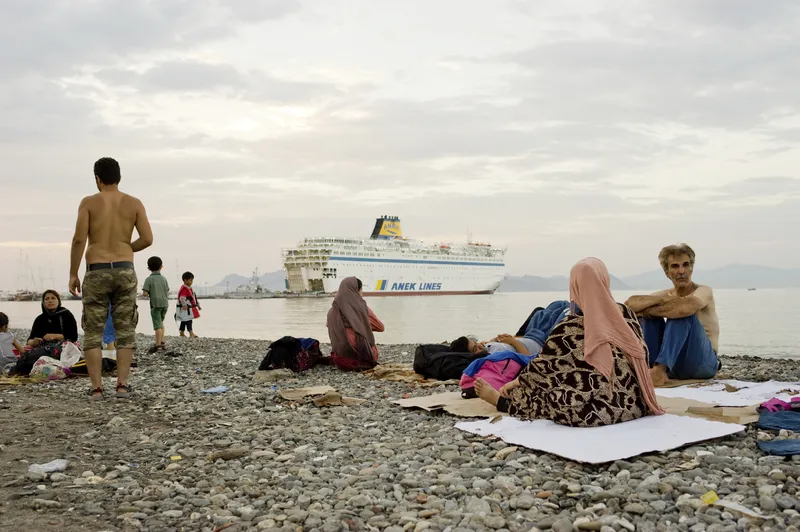 The tiny Greek island of Lesbos has turned from a popular tourist spot to one of the main entry points into the European Union for migrants fleeing war and poverty.
Despite the acute refugee crisis, there is no dedicated accommodation structure for asylum-seekers on Lesbos at the moment.
The only existing “reception” facility on the island is severely overcrowded, currently hosting thousands of people crammed in inadequate conditions. Many more, including children, sleep on nothing but cardboard sheets on the island’s streets.
Numbers on the rise
The numbers of arriving migrants are constantly on the rise. At the moment, several thousand arrive every day.
At the same time, the number of accommodation facilities for asylum-seekers in Greece remains extremely limited, with a total capacity of about 1,100 places for Greece overall, and none on the Greek islands where the migratory pressure is the most immediate.
Because of the lack of appropriate reception facilities, asylum-seekers who are fleeing war, persecution and inhuman treatment in their home countries face a high risk of homelessness, destitution and social marginalization.
CEB funds new accommodation centers
To alleviate the critical situation of asylum seekers and enable them to re-build their lives in dignified conditions, the CEB will fund the creation of two accommodation centers on Lesbos with a € 2 million loan. The centres would have the capacity of 100 places, 40 of which would be reserved for unaccompanied children.
These accommodation facilities will provide much more than decent housing for the most vulnerable groups of asylum seekers.
In addition to covering the basic needs such as food, clothing and hygiene items, the project includes language and education programmes to help the hosted migrants gradually integrate into the local community. In these centres, the asylum seekers will have access to legal and social services, medical care and psychological/psychosocial support as needed.
Given the limited financial resources available at the local and national level, the CEB’s loan to the North Aegean Region will provide much needed funding that will enable the project to take off quickly.The CEB loan will serve as bridge funding, allowing the region to leverage additional resources from the EU financial instruments.