Microloans for entrepreneurs in Bosnia and Herzegovina
In 2015, the CEB approved a € 2.5 million loan to Mikrofin for micro and small loans to low-income customers and MSMEs.
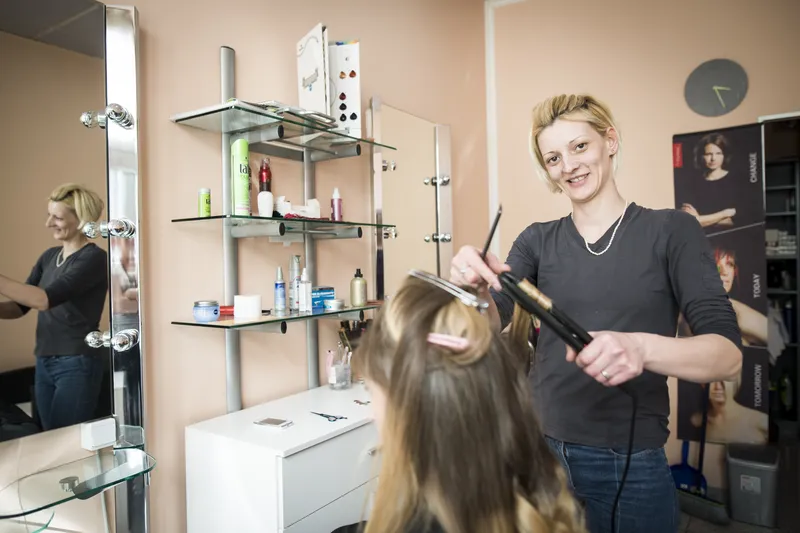
Although their products and services differ, these three entrepreneurs have something in common: they have all benefited from Mikrofin microloans to either expand or upgrade their business.
Since its founding in 1997 Mikrofin has been a regional leader in the field of microfinance, with branches all over Bosnia and Herzegovina. Over the years, Mikrofin disbursed around 400,000 micro and small loans to low-income customers and MSMEs.

In 2015, the CEB approved a € 2.5 million loan to Mikrofin for productive fixed assets acquisition and construction or extension of business premises, as well as for working capital.
“The loan will enable Mikrofin to provide hundreds of micro loans to non-bankable clients in Bosnia and Herzegovina and assist them in maintaining or improving its business and living standards of their families,” said Mladen Bosnic, the CEO of Mikrofin.
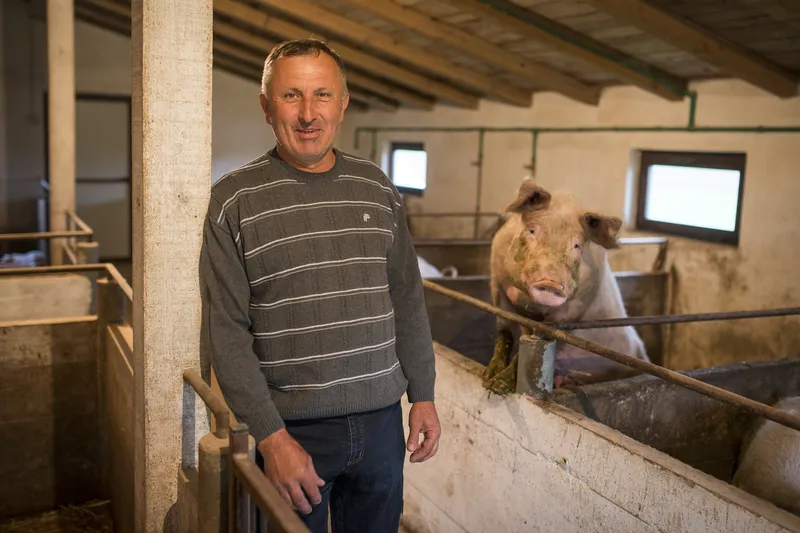
In the country with an official unemployment rate of almost 30%, hope for economic growth is centered on the micro and small business sectors that can find niche markets, move into import substitution segments, and take on new employees.
The aim of the CEB’s loan is to support the creation and preservation of income generating activities and self-employment, as well as the formation and development of micro-enterprises.
Related publications
-
Micro, Small and Medium-Sized Enterprises: CEB Financing and Its Social Value
Explore the CEB's role in fostering job creation and social value through financing Micro, Small, and Medium-Sized Enterprises … Published: April 2013 Read