More than meals
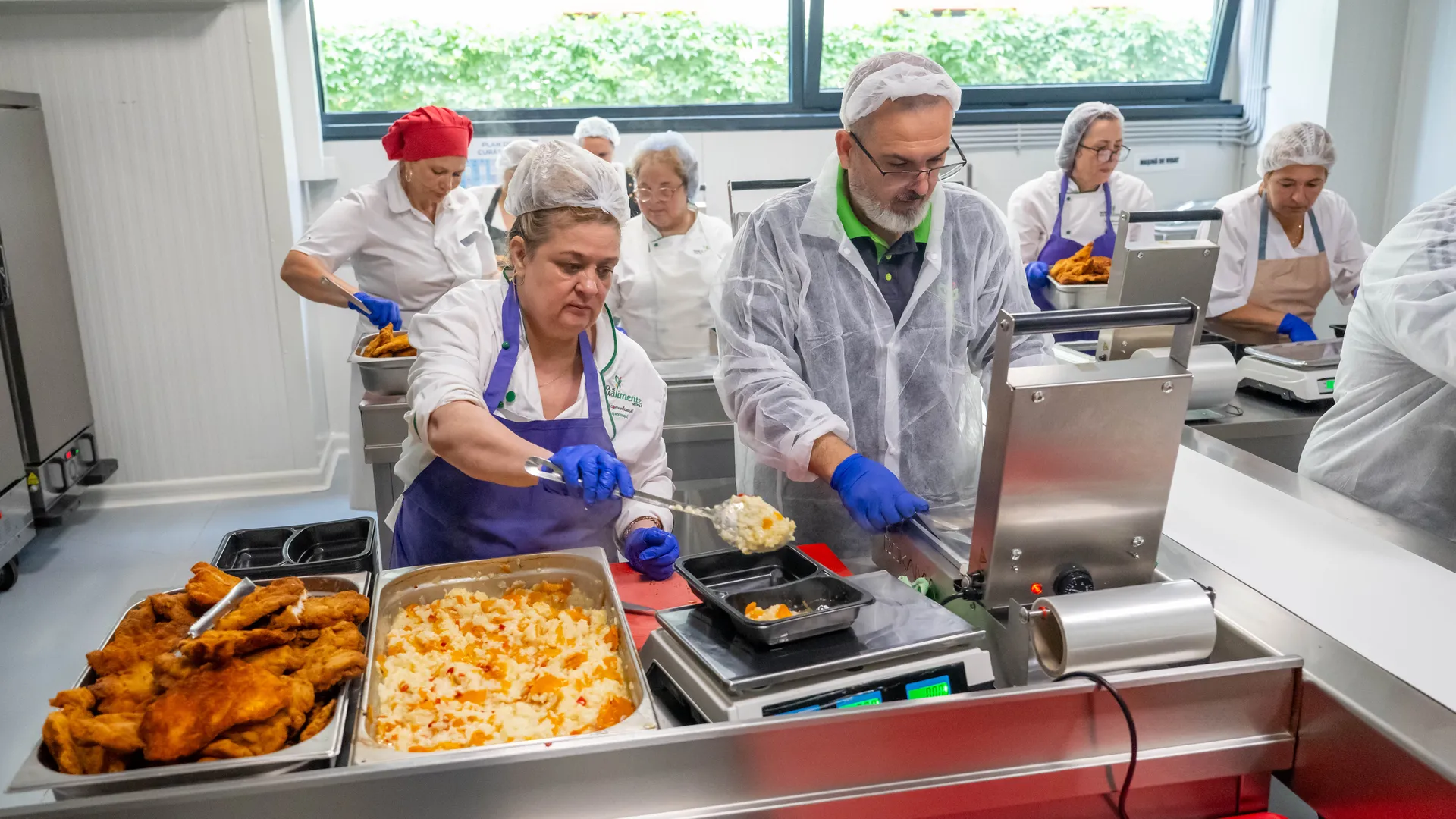
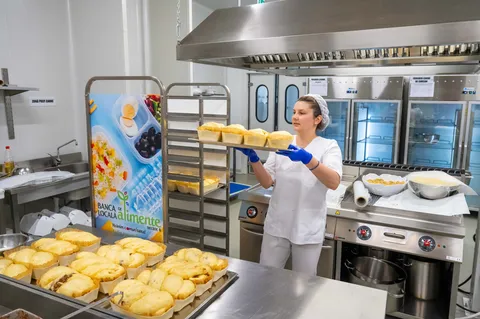
From early morning, vans pull in and out of a modest compound in the Giulești neighbourhood in Bucharest. Inside, crates of vegetables, bread and dairy products are sorted with precision. In the kitchens, pots simmer and trays are prepared at speed. By mid-morning, thousands of meals are already on their way.
Bucharest’s Sector 6 Local Food Bank is the first initiative of its kind established by a public authority in Romania.
“We serve the Sector 6 community because we have a municipality with over 350 000 inhabitants, 30–35% of whom are seniors,” explains Ovidiu Rusu, Director of the Food Bank. “Every day, we deliver portions of hot food through several programmes run within the Food Bank.”
The initiative is part of a broader investment supported by the Council of Europe Development Bank (CEB) with €47 million in loan financing. This funding supports a set of social projects across Sector 6 – from energy-efficient schools to infrastructure such as social housing, food bank and social canteen – aimed at improving everyday living conditions for the residents.
Acting Mayor of Sector 6, Paul Moldovan, explains how the Food Bank came to be established.
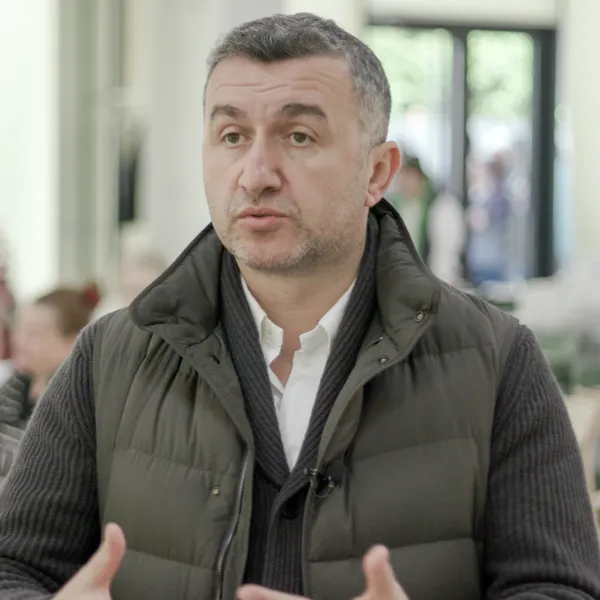
"Secondly, we are trying to use this project to provide hot meal services for schools in Sector 6, and we started this pilot here in the Giulești neighborhood.”
The location was deliberate. Giulești is one of the district’s most disadvantaged areas - precisely where such services are most needed.
A circular approach with environmental impact
“A food bank usually collects the food surplus from the market; the primary role would be to combat food waste,” says Gabriela Schmutzer, General Manager of the Directorate for Social Assistance and Child Protection in Sector 6. “However, this new concept went a bit further: we moved to processing part of the products we receive so that they reach beneficiaries in the form of daily hot meals.”
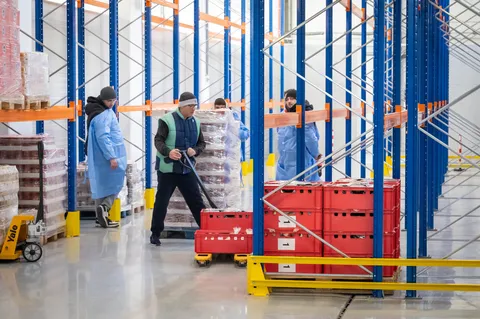
That shift required strong partnerships, particularly with private companies from across the agri-food sector – producers, wholesalers, retailers – who donate surplus food.
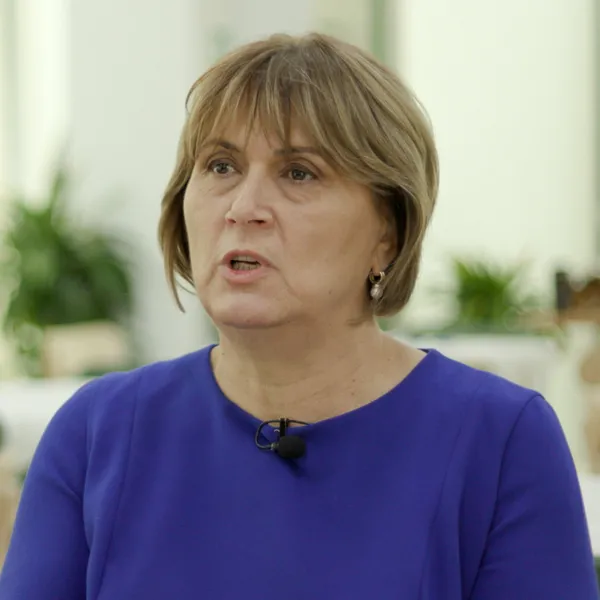
“We provide our fleet of cars to go to the respective location and pick up donations, or there are partners who come with their own cars and bring the donations.”
The Food Bank collects or receives deliveries, sorts the goods and decides their destination. From the moment food arrives at the facility, decisions are made quickly – what can be transformed into meals, what should be donated, and how to minimise waste at every stage.
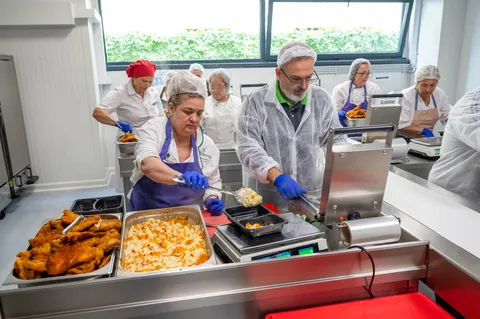
Menus are designed with the help of a nutritionist and meals adapted to the needs of beneficiaries –elderly people with specific health conditions, growing children, vulnerable families. In practice, that means fewer resources wasted and more people supported:
- Over 4 000 portions of food are prepared daily.
- Around 600 adults come to the centre or receive meals at home.
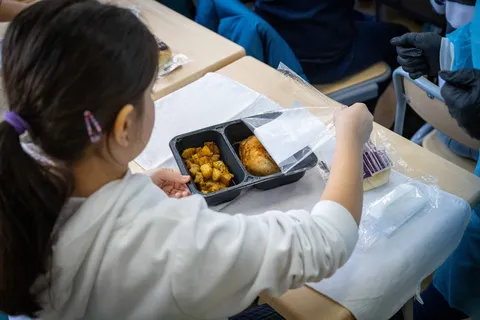
- More than 3 500 meals are delivered to children in local schools.
More than welcome help
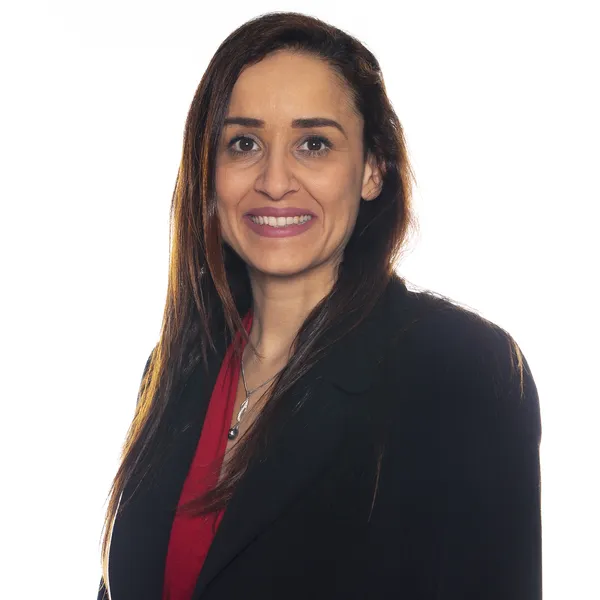
“As the social development bank of Europe, supporting vulnerable communities is at the heart of what we do,” says Wassila Dridi, Country Manager for Romania.
For those who rely on the service, the impact is immediate and tangible.
“I came here in the summer of 2025,” says Maria Badea, a 70-year-old pensioner. “And since then my life has changed for the better.
We have food every day… and this helps us because we can use the little money left from our pension to pay for medicine, utilities, going to the doctor.”
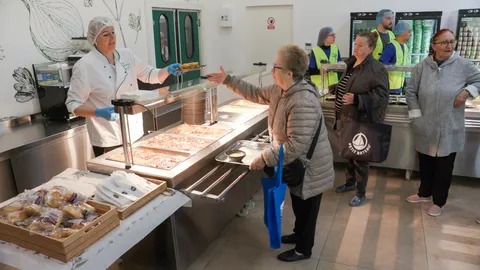
For many elderly residents pensions barely cover basic costs. The trade-off is constant – food or essential expenses like healthcare.
Elisabeta Cenuse, 72, does not mince words: “I wouldn't be able to manage without this assistance. From the pension I have, I can only manage to pay for utilities, medicines and hygiene products.”
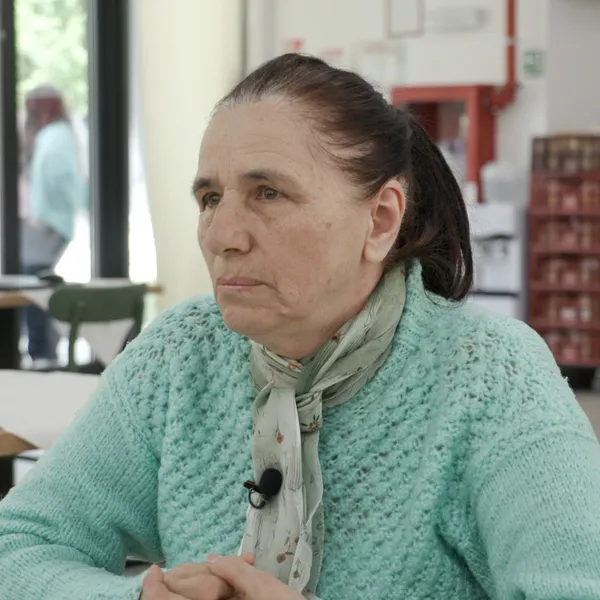
Elisabeta Cenuse highlights another dimension: quality. “I like the order, the cleanliness, and primarily the food,” she says. “The food is very good and is exactly balanced for our age. I have diabetes, and it is perfectly balanced.”
Others speak of something less tangible, but no less important. “This aid is not just social; it’s moral support,” says Vasile Turcu, another beneficiary of the Food Bank. “These people have been given hope.”
That sense of dignity is central to the project.
“When you see the hope in people’s eyes… it’s a sense of pride,” says Rusu. “For some, the person delivering the meal may be the only one who crosses their door that day.”
A community effort
The Food Bank has also become a space for engagement and education.
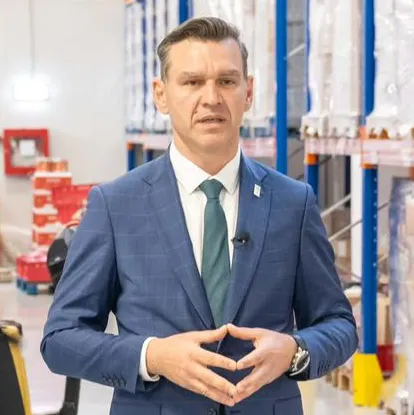
“The programmes we run are quite varied: from providing hot meals, to sessions for raising awareness on reducing food waste, and what healthy nutrition education for children means,” says Schmutzer.
Volunteers play a key role in keeping the system running.
Every Thursday they help package and serve meals. Last year alone, they contributed over 1 000 hours.
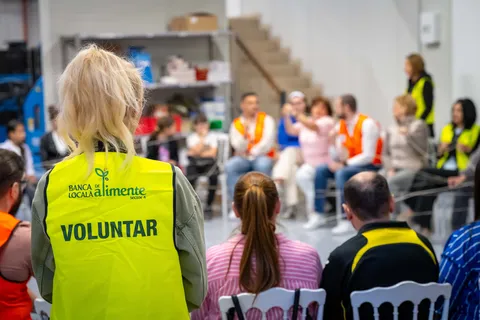
“It was very moving to interact with the beneficiaries,” says Roxana Năstase, a volunteer. “They are like our grandparents… financially overwhelmed, spending most of their pension on medicine.”
“The Food Bank shows how circular economy solutions can strengthen community resilience to social, economic and climate-related challenges,” explains Elisa Muzzini, Senior Technical Advisor at the CEB.
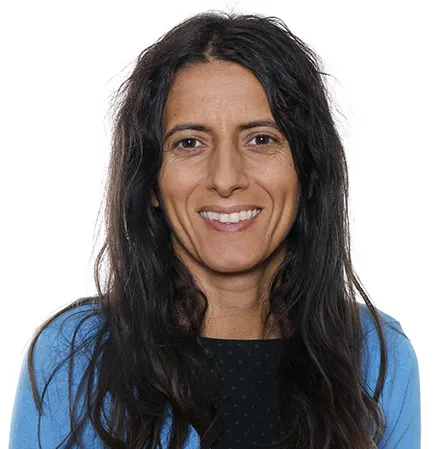
"Through its educational and outreach activities, it also fosters community engagement, social inclusion and healthy nutrition, contributing to the community’s long-term well-being.”
The initiative has also benefited from the support of the Romanian Orthodox Church, which provided the land for the facility –an example of cooperation across institutions and the local community.
Ambition to grow
Despite its scale, the Food Bank is still evolving. A social food truck is set to launch, generating income that will be reinvested into the project.
“The vision is to expand the number of hot meals we deliver to children,” says Schmutzer.
“Our goal and that of the local public administration is to cover the entire number of children who benefit and, surely, the major goal is to have as many partners and as many donors as possible, so that the budget is relieved of any expense related to this social project.”
For Rusu, the ambition goes further.
“We are also trying to develop sources of income other than the local budget. We very much want to prove that this project can become a blueprint to follow,” he says. “We hope it will become an example of best practice.”
“I think this project is unique not only by its size, but by its model,” Dridi adds. “It can inspire other cities –not only in Romania, but beyond.”
Watch the video