New IPL Campus in Lille: building a future for research on Pasteur’s legacy
The CEB has approved loans to the Institut Pasteur de Lille which will help complete the restructuring and modernisation of the campus of one of the leading scientific players of the Hauts-de-France. In addition to patient care, the Institute contributes to the development of new preventive treatments and tools - activities that will be boosted through the Bank’s involvement.
2022 marks 200 years since the birth of world-famous chemist, microbiologist and infectious disease specialist, Louis Pasteur. Pasteur’s discoveries of the principles of vaccination, microbial fermentation and pasteurisation revolutionised the understanding, treatment and prevention of disease, and saved millions of lives. Pasteur founded the Institut Pasteur in Paris in 1887, and, in 1894, Institut Pasteur de Lille (IPL) was created at the request of the city of Lille, in response to a major diphtheria epidemic in the region around Lille.
Today, over 120 years into its existence, the IPL is an internationally-renowned biomedical research centre that continues to fight diseases by spearheading breakthroughs in disease prevention, and vaccine and drug development. At the IPL campus in Hauts-de-France, 34 research teams collaborate to understand and combat cardiovascular and neurodegenerative, infectious, parasitic, and inflammatory diseases, as well as cancer and diabetes.
At the beginning of 2020, and the start of the COVID-19 pandemic, the only team working on coronaviruses in France was located on the IPL campus. Since then, this research team has been working with other teams on the campus, in particular chemists, with the aim of developing therapeutic approaches or finding treatments capable of inhibiting the virus.
Healthcare for the local population
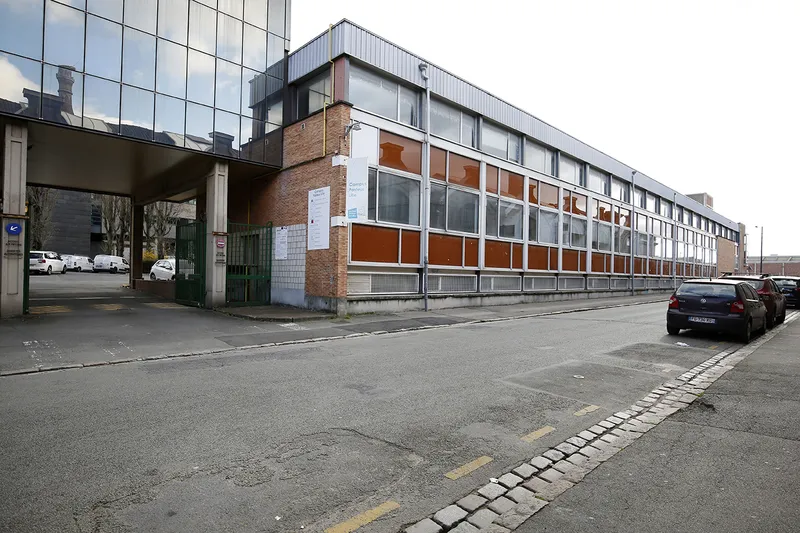
The Hauts-de-France, France’s northernmost region, is affected by many urgent social and health problems, including high unemployment rates. The region is France’s second most disadvantaged, with over a million people, or 18% of the population, living below the poverty line. The region also has higher mortality rates than the national average, especially among men, with lower-than-average numbers of people receiving medical treatment, for financial or social reasons or due to a lack of accessible doctors or specialists.
With its six joint research units, an examination centre, a nutrition department and an international vaccination centre, the IPL contributes to the improvement of health and quality of life of the local population. Each year it conducts some 26,000 vaccinations, 15,000 medical check-ups, 5,000 pre-travel specialist consultations and 500,000 medical tests for people in Lille and the Hauts-de-France region. The IPL has also set up a COVID vaccination centre and facilitated PCR testing.
Future-proofing the IPL campus
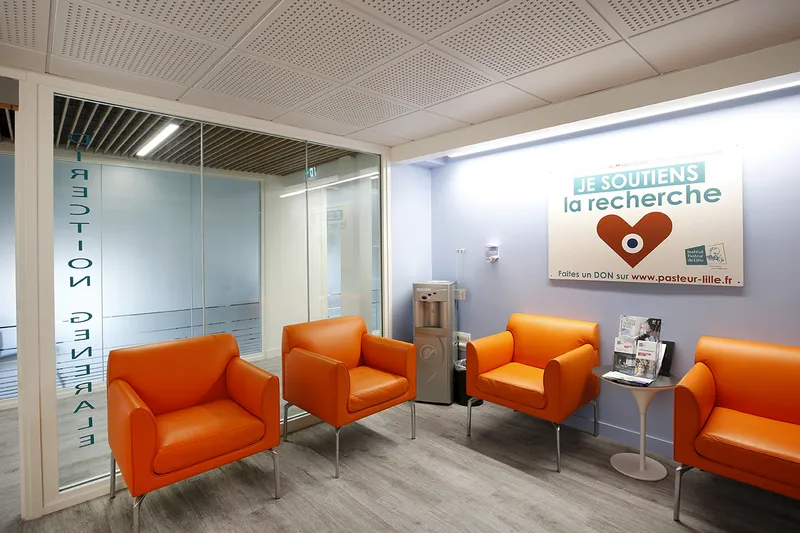
To remedy these shortcomings and create a functionally and technically coherent campus, in 2016 the IPL initiated the ‘New Campus Pasteur Lille’ project as part of its financial and assets master plan.
The project is based on two separate and complementary phases:
- Phase 1 (2019-2023), ‘Refurbishment and Development’ involves the comprehensive refurbishment of several existing buildings to create a research zone, a public zone for public health-prevention/longevity and related research activities, and an administration zone for the Institute’s general services
- Phase 2 (2021-2024), ‘New constructions’ involves the construction of two new buildings to provide the IPL with office space to facilitate collaborative working with partner companies from the world of health and innovation. The buildings will also include a lecture theatre and event venues to host scientific and training events.
The two CEB loans will support the New Campus Pasteur Lille project, giving the campus a coherent layout, with premises that are fit for purpose to enable the development of research and prevention activities in health/longevity. The new energy efficient buildings will also help to reduce operating costs for the Institute.
The project is also highly relevant at local and regional level in view of the commitment of the Lille Metropolis (Métropole Européenne de Lille) and the Hauts-de-France Regional Council to the biomedical sector as a key sector for economic development. The extent of this commitment is reflected in the fact that, in recent years, Lille and Hauts-de-France have been working to position themselves as a sector hub at European level, carrying out major investment in research and development.In a region affected by many urgent social problems and a high unemployment rate, the biomedical sector is of great social benefit, helping to meet today’s medical and healthcare challenges particularly around life expectancy. This is in line with the French government’s France Relance, a large-scale action plan launched in September 2020 to support recovery from the COVID pandemic.
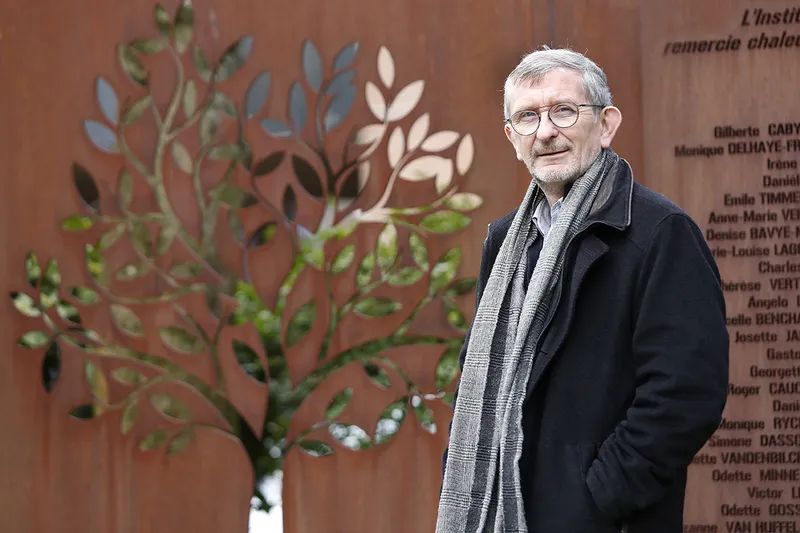
“The CEB’s financial support will enable us to significantly improve our strategic and scientific positioning, by facilitating conditions for research work of a high international standard in the highly competitive field of biomedical research, while boosting the international competitiveness of Lille and Hauts-de-France. It will also support the development of our preventive health activities for the population and thus contribute to the improvement of life expectancy in good health."
“By its contribution to the development of human capital, this project features prominently within the Bank’s mandate and social objectives” highlighted Arnaud de Verdière, the CEB’s Senior Country Manager for France. “Thus, the realisation of this project will lead to the creation of a new Campus capable of serving as a regional, national and international reference centre for biomedical research of excellence and health prevention.”
Related publications
-
Technical brief - Investing in Effective, Inclusive and Resilient Health and Social Care Systems in Europe
This technical brief argues that a more integrated approach to healthcare investments would increase their effectiveness and inclusiveness, … Published: July 2021 Read