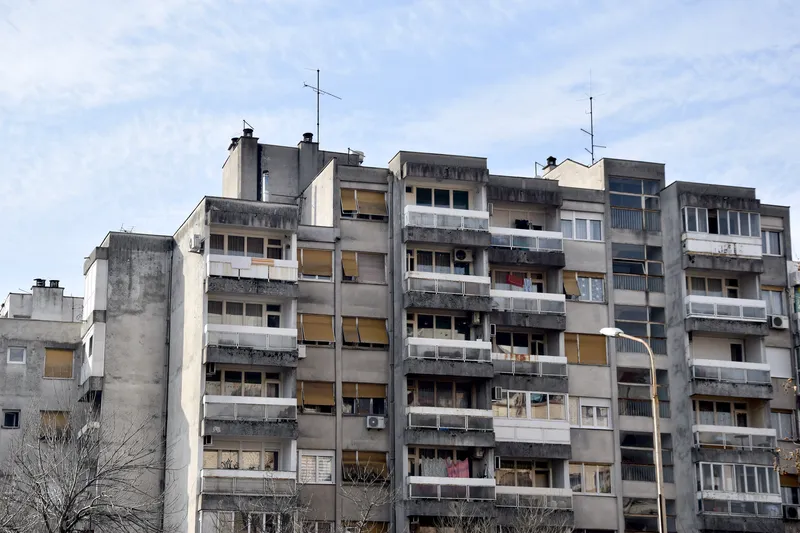
Social housing in Montenegro
In Montenegro, the privatisation ofpublic housing stock in the 1990s left the public sector with very few housing units to meet the needs of the very poor and vulnerable social groups. In 2020, the United Nations Economic Commission for Europe estimated the social housing shortage to be in excess of 25 000 units.
To improve the supply of affordable housing, the Montenegrin authorities are developing a national housing strategy for the period 2024-2034. In support of this initiative, the Bank is financing the preparation of a country profile, including an assessment of social housing needs, a feasibility study for a new programme to support access to property for first-time owners with limited income, and a feasibility study for a new programme to support social rental housing. The assignment is funded by a technical assistance grant of €250 000 approved by the Slovak authorities in 2024 from the Slovak Inclusive Growth Account.
In this section
- Housing in Ukraine
- Earthquake preparedness in Türkiye
- Social housing in the Republic of Moldova
- Bolstering Türkiye’s healthcare infrastructure
- Digital training courses in Albania
- Integration of Roma
- Inclusion of migrants across Europe
- Sustainable procurement in the Balkans
- Reconciliation in Bosnia and Herzegovina
- Women entrepreneurs in Bosnia and Herzegovina
- Micro-entrepreneurs in Bulgaria
- A regional hospital in the Republic of Moldova
- Social housing in Montenegro
- Strengthening paediatric care in Ukraine