Women entrepreneurs in Bosnia and Herzegovina
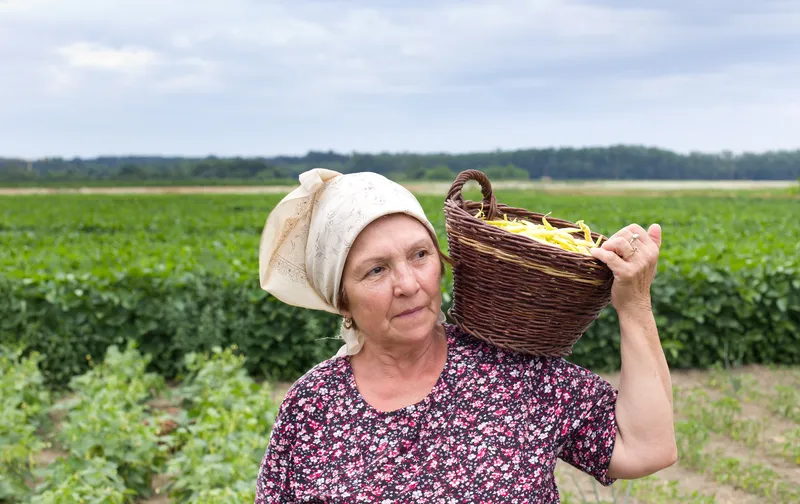
As in many other countries, women in Bosnia and Herzegovina are disadvantaged in terms of access to the labour market, access to credit and asset ownership. The female labour market participation rate was 35 per cent in 2019, 23 percentage points lower than that of men. Women are also less likely to own the land or assets needed as collateral to obtain credit.
To address this gender gap, the CEB partnered in 2024 with Mikra Microcredit, a microfinance institution established in 1997 to promote the financial inclusion of economically vulnerable women and women-led businesses. Thanks to a guarantee from the Social Impact Account, the Bank was able to approve a €3 million loan to Mikra in 2024, which will finance microloans for women in rural areas. The loans will finance part of their investments and working capital needs, as well as energy efficiency measures in their homes.
In this section
- Housing in Ukraine
- Earthquake preparedness in Türkiye
- Social housing in the Republic of Moldova
- Bolstering Türkiye’s healthcare infrastructure
- Digital training courses in Albania
- Integration of Roma
- Inclusion of migrants across Europe
- Sustainable procurement in the Balkans
- Reconciliation in Bosnia and Herzegovina
- Women entrepreneurs in Bosnia and Herzegovina
- Micro-entrepreneurs in Bulgaria
- A regional hospital in the Republic of Moldova
- Social housing in Montenegro
- Strengthening paediatric care in Ukraine