Timeline
CEB's gradual transformation into a fully-fledged, multilateral development bank with an exclusively social vocation has been inextricably linked with the history of the European continent itself.

1956: In the mid-1950s, ten years after the end of the Second World War, Europe was still in need of capital to help countries rebuild their shattered infrastructures and settle hundreds of thousands of displaced people. Eight member states of the Council of Europe created a Resettlement Fund to help finance projects for the resettlement of refugees. The Fund began with capital of less than US$7 million but would evolve into the Council of Europe Development Bank (CEB), a multilateral development bank with an exclusively social vocation.
In the intervening 65 years the Bank’s membership (we now have 43 member states), financial resources and scope of action have adapted in response to shifts in Europe’s social priorities and shared challenges.
1960s: During this decade, booming Western European economies in need of labour attracted steady streams of migrants, mostly from Europe’s south. To reflect this, the Bank’s priorities in the ‘60s included equipping migrants with the necessary job market skills and helping them to settle.
1970s: A slowdown in growth and rising unemployment in the 1970s meant European countries struggled to finance social investments, and increasingly turned to the CEB for support. Our priorities in this decade included funding projects aimed at fighting unemployment through vocational training, and rural development projects aimed at curbing emigration and rural exodus.
1980s: Renewed inflation, an economic slump and high unemployment meant that countries began restricting immigration and some existing migrants struggled to find work. Recognising that migrants needed help to voluntarily return to their countries of origin, the CEB funded projects aimed at facilitating migrant resettlement through vocational training, housing support and assistance to micro, small and medium-sized businesses (MSMEs).
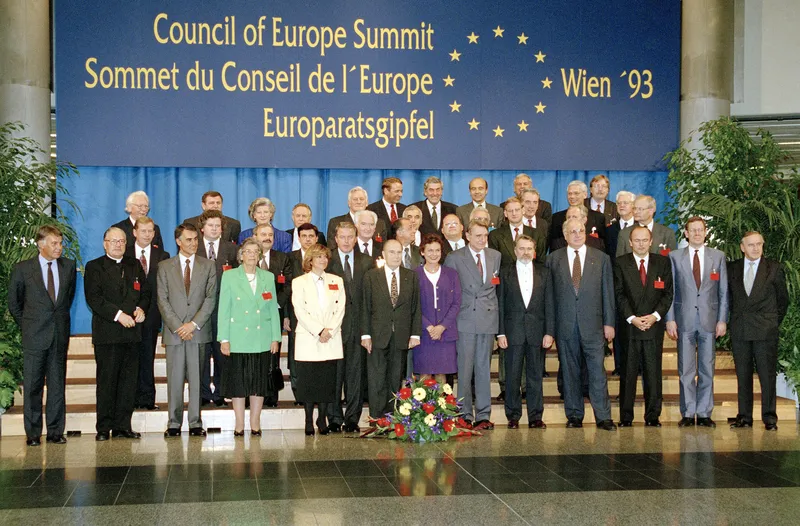
1993: Three Council of Europe Summits helped to shape the Bank as it is today. The Vienna Summit was the first of these summits of Heads of State and Government of the member states. It took place after the fall of the Berlin wall and the development of new democracies in Central and Eastern Europe. As a result, a wave of new member countries from these regions began joining the CEB.
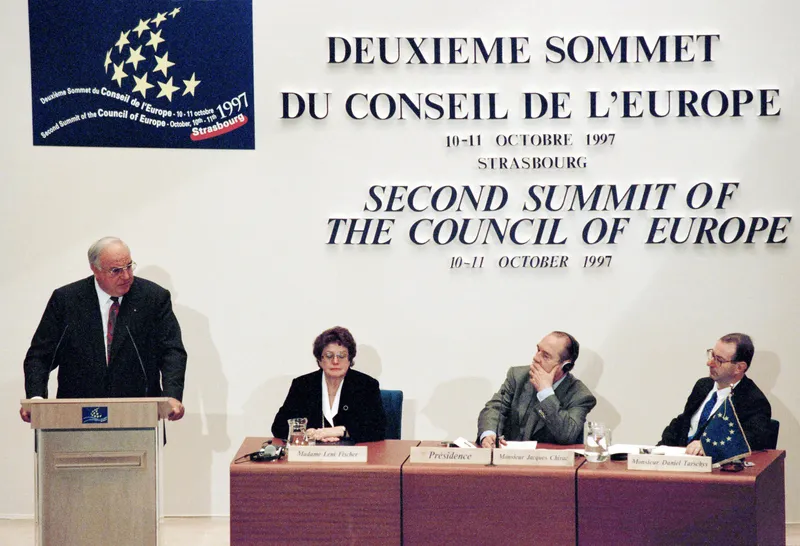
1997: The Strasbourg Summit widened the CEB’s mandate to include strengthening social cohesion in Europe, alongside the statutory priorities set out in its Articles of Agreement. For the first time, managing the environment became one of the Bank’s priorities.
2000s: the CEB’s agenda was dominated by supporting the transition countries of Central and Eastern Europe and the resettlement of people displaced by the wars in the former Yugoslavia. Funding public infrastructure, including health and education, and aiding victims of natural disasters were among its priorities.
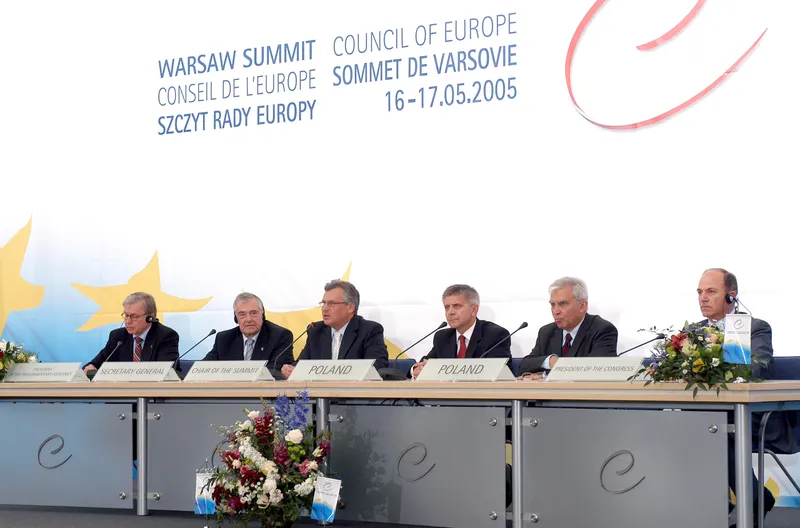
2005: The third Summit of Heads of State and Government of the Council of Europe’s member states took place in Warsaw. The Summit’s action plan included a broadening of the role of the CEB. It was now to contribute in its own way to the development of a free, democratic and more inclusive European society.
2015: In 2015 Europe saw the biggest influx of migrants and refugees into Europe since the Second World War because of people fleeing war and instability in the Middle East. The CEB established its Migrant and Refugee Fund to support CEB member states to accommodate migrants and refugees arriving in their territories.
This was also a decisive year for action on climate change. Alongside the launch of the Paris Agreement on Climate Change, it saw all UN member states adopt the UN’s Sustainable Development Goals (SDGs), a blueprint for achieving a fairer and more sustainable future for all. The CEB is committed to sustainable social development and has prioritised a set of ten SDGs that are closest to its mandate and lines of action, which it aims to meet through its project financing.
2017: The CEB issued its inaugural Social Inclusion Bond, dedicated to financing social housing, education and micro, small and medium-sized enterprises (MSMEs).
2020: The year was dominated by the global COVID-19 pandemic. With its member states hit hard by this far-reaching emergency, the Bank provides over €3 billion to support member states to fund emergency healthcare and vaccinations, to restart their economies and promote their sustainable recovery.
2021: The CEB celebrated its 65th anniversary, as Europe’s social development bank of choice.
2022: The CEB is a first responder in helping to address the humanitarian crisis triggered by Russia’s aggression against Ukraine, with €6.4 million grants contracted in March. The Governing Board approves the Strategic Framework 2023-2027 and a historic capital increase.